
Aisle Monitoring
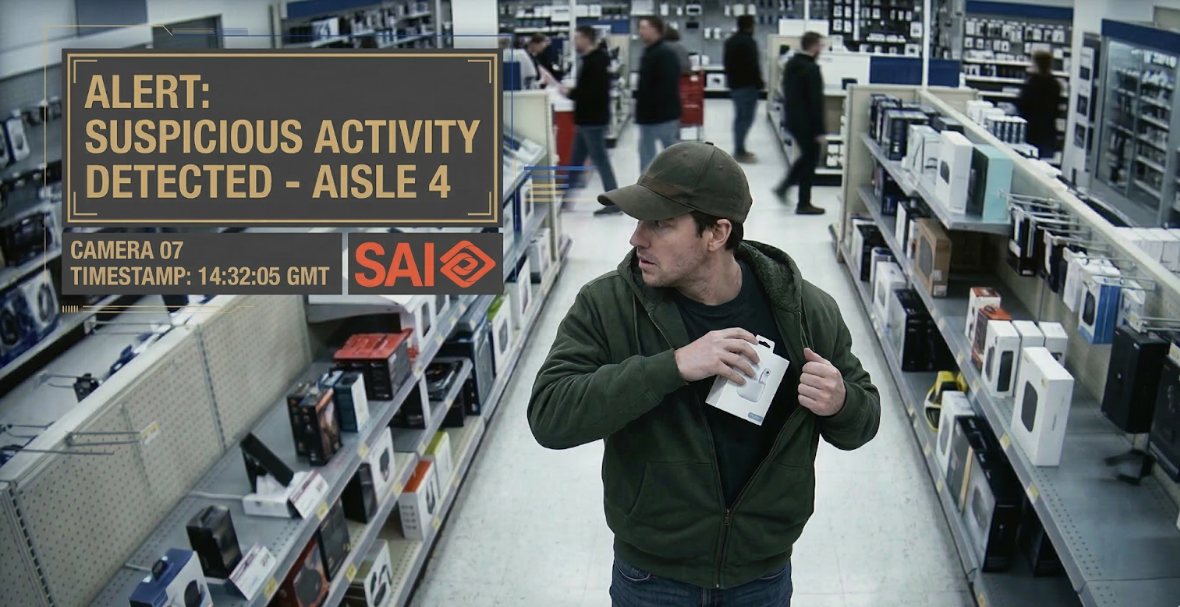
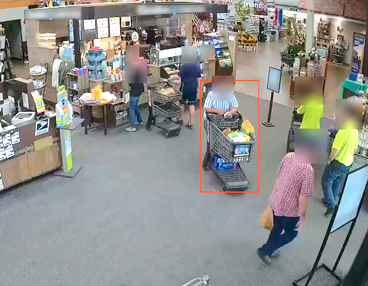
Full Trolley Pushout
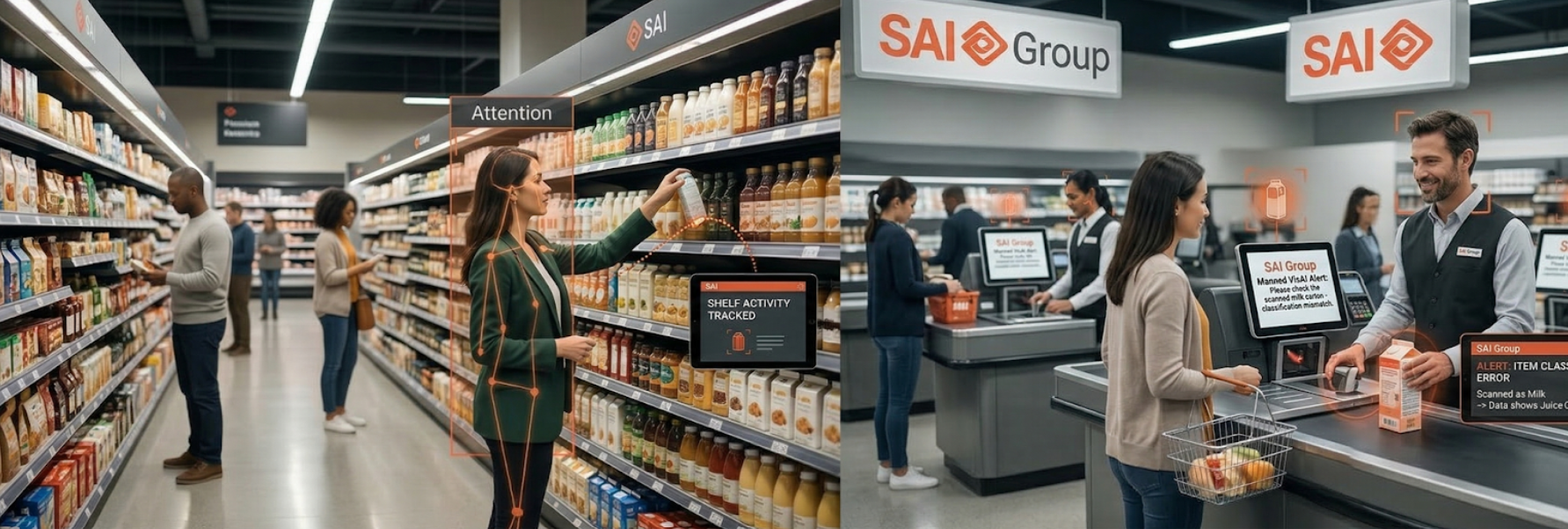
Pick in Aisle but not Scan in Main Bank
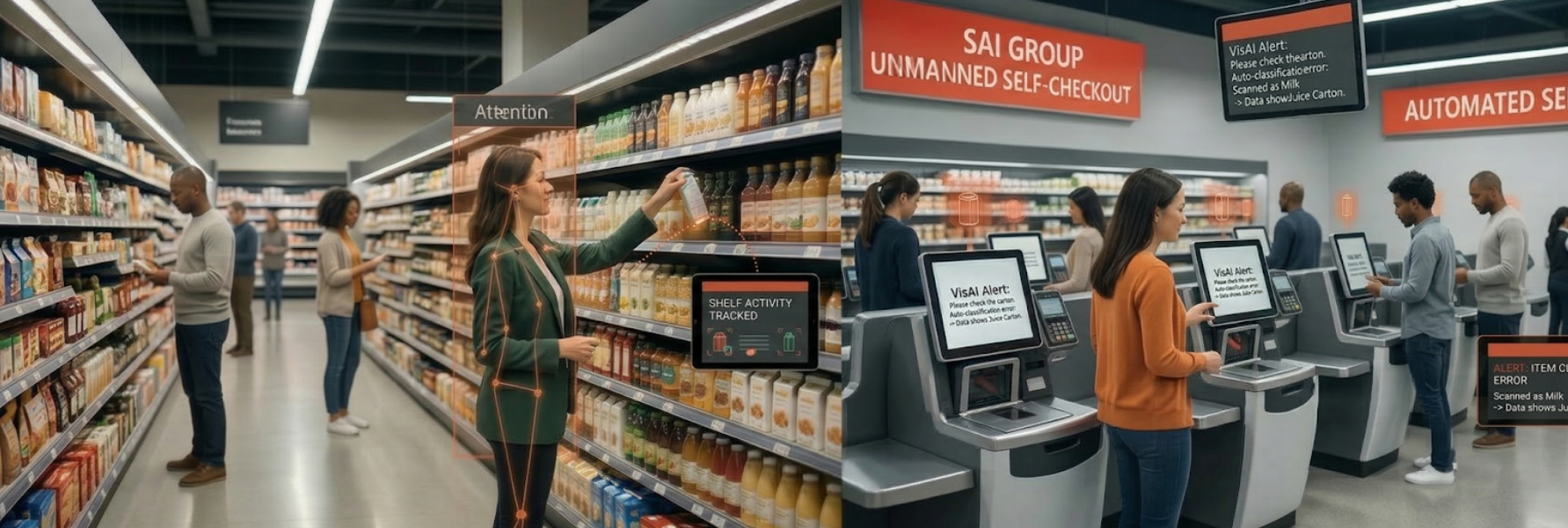
Pick in Aisle but Not Scan in SCO
Consumption of Items in Store

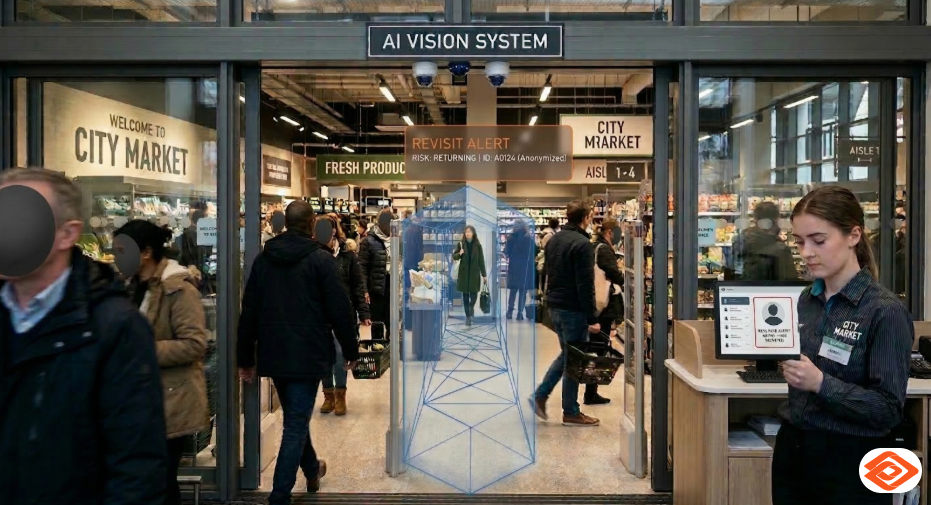
Revisit Alert
Shelf Swipe Alert

AI-Powered Aisle Monitoring for Real-Time Retail Loss Prevention
Detailed view
Retail shrinkage increasingly occurs inside the store, long before a customer reaches the checkout. Traditional surveillance systems rely heavily on manual monitoring and post‑event investigation, making them reactive and inefficient. SAI Group’s Visual AI Platform is a retail theft detection software that addresses this challenge through its Aisle Monitoring feature. Using AI CCTV loss prevention techniques, the platform combines behaviour analysis and product‑counting intelligence to detect concealment, walkouts, counterflow exits, and partial payments in real time.
The platform continuously monitors customer activity across aisles and correlates it with checkout and exit behaviour when those cameras are available. It detects suspicious actions such as concealment based on behaviour, picking items without presenting them at checkout, walking out the way the customer entered (counterflow), and paying for only a subset of picked items. Alerts are generated in under 6-8 seconds, complete with images, video snippets, and the aisle name where the alert was triggered—enabling store staff to respond quickly and effectively.
Why the Aisle Monitoring Feature Is Important for Retail Stores
Shrinkage is no longer limited to overt theft. Modern retail loss often involves subtle behaviours such as item concealment, delayed concealment across different aisles, walkouts without checkout interaction, or partial payment at self‑checkout counters. These behaviours are difficult to detect using rule‑based systems or human observation alone.
This is exactly where modern shoplifting detection technology plays a critical role—identifying behavioural patterns that traditional CCTV or manual staff monitoring simply cannot catch in real time.
The Aisle Monitoring feature is critical because it:
By focusing on how customers behave, not just where they are, the feature helps retailers prevent losses before they materialise.
What Is AI-Based Retail Theft Detection Software?
AI-based retail theft detection software uses computer vision and behaviour recognition to monitor in-store activity without relying on manual staff observation. Instead of simply recording footage for later review, this type of aisle surveillance system analyses customer movement and product interaction as it happens—flagging suspicious behaviour such as concealment, walkouts, or partial payments the moment they occur. This shift from passive recording to active, real-time detection is what separates modern AI CCTV loss prevention from traditional camera systems.
How the Aisle Monitoring Feature Works
Behaviour‑Based Concealment Detection (Aisle Cameras Only)
When cameras are deployed in aisles, the platform analyses customer behaviour to detect concealment events. Concealment is identified based on actions and movements rather than simple object disappearance.
Key capabilities include:
If only aisle cameras are installed, the platform will generate alerts specifically for concealment events.
Counting‑Based Walkout and Partial Payment Detection
(Aisle + Checkout / Exit Cameras Required)
When checkout and exit cameras are added, the platform correlates aisle activity with checkout behaviour using product counting intelligence.
This enables detection of additional loss scenarios, including:
- •Walkout: Items are picked up, but the customer exits without going to checkout
- •Counterflow Walkout: The customer exits the store the same way they entered, bypassing checkout
- •Partial Payment: The customer takes multiple items but pays only for a subset at checkout
- •Non‑Presentation: Items are picked but never presented at checkout, even without visible concealment
Without checkout or exit cameras, these scenarios cannot be confirmed. With full camera coverage, the platform links what was picked to what was paid for or not paid for.
Real‑Time Alerts and Evidence
Once suspicious activity is confirmed, the platform sends an alert in under 8 seconds. Each alert includes:
- •A clear image of the individual involved
- •A short video clip capturing the relevant behaviour
- •The aisle name where the person is located at the time the alert is generated
This allows store teams to respond while the customer is still on the premises, rather than reviewing footage after the loss has occurred.
FAQ
With aisle cameras alone, the platform can detect behaviour‑based concealment, including concealment occurring in a different aisle from where items were picked.
Checkout and exit cameras are required to detect walkouts, counterflow walkouts, partial payments, and non‑presentation of items at checkout.
Yes. The platform can detect when a customer picks items in one camera view and conceals them in another.
Alerts are generated in under 8 seconds, enabling near real‑time response.
Each alert includes a picture, a video clip, and the aisle name where the person is located at the time of alert generation.
No. Detection is driven by behavioural analysis and counting logic, making it effective even when theft patterns vary.
Retail theft detection software uses AI and computer vision to identify suspicious in-store behaviour such as concealment, walkouts, and partial payments—in real time, without relying on manual CCTV review.
AI CCTV loss prevention works by analysing live camera feeds using behaviour recognition models. It detects theft-related activity as it happens and sends instant alerts to store staff, instead of requiring post-event footage review.