
Service Alerts

Customers in Store Count
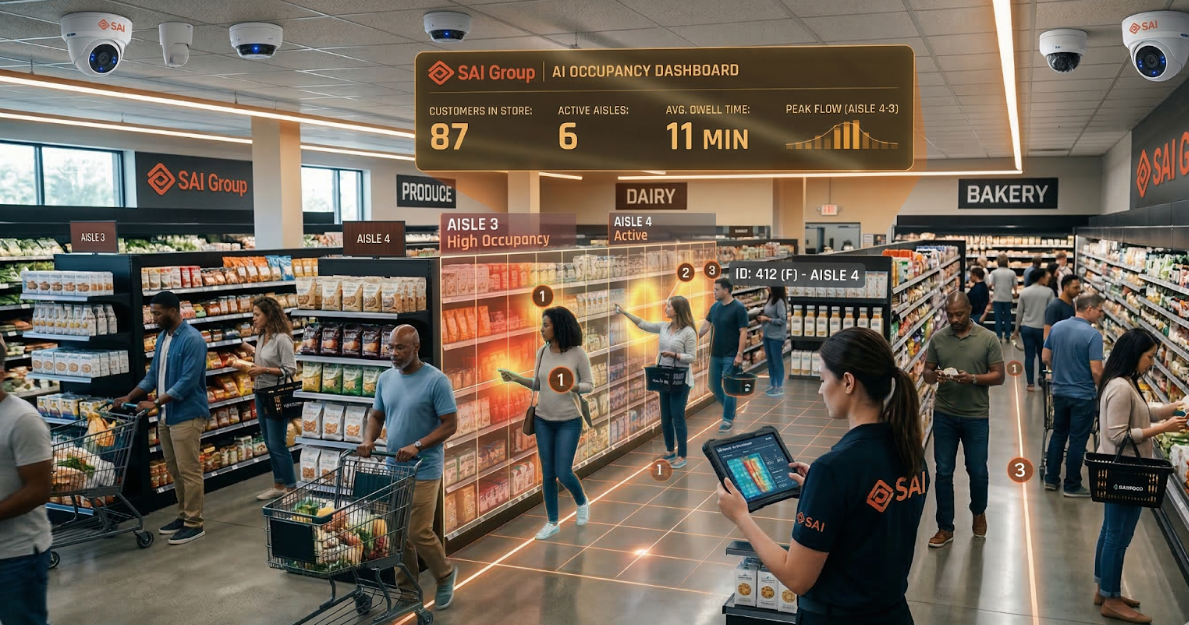
Average Time in Store
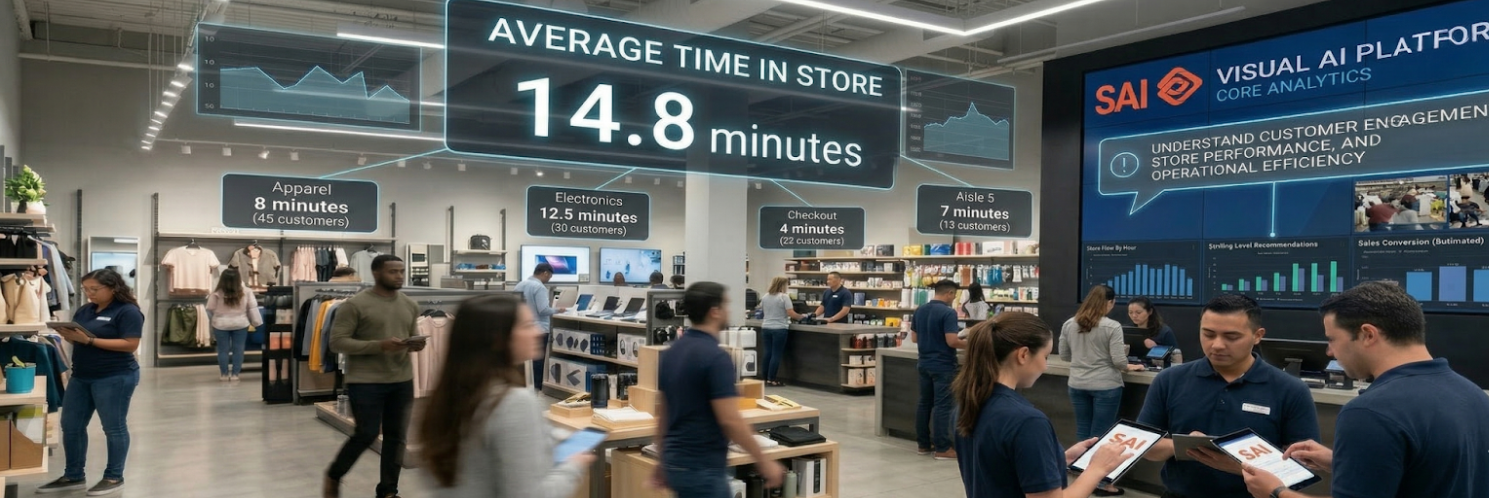
Customer Traffic Shape of Day
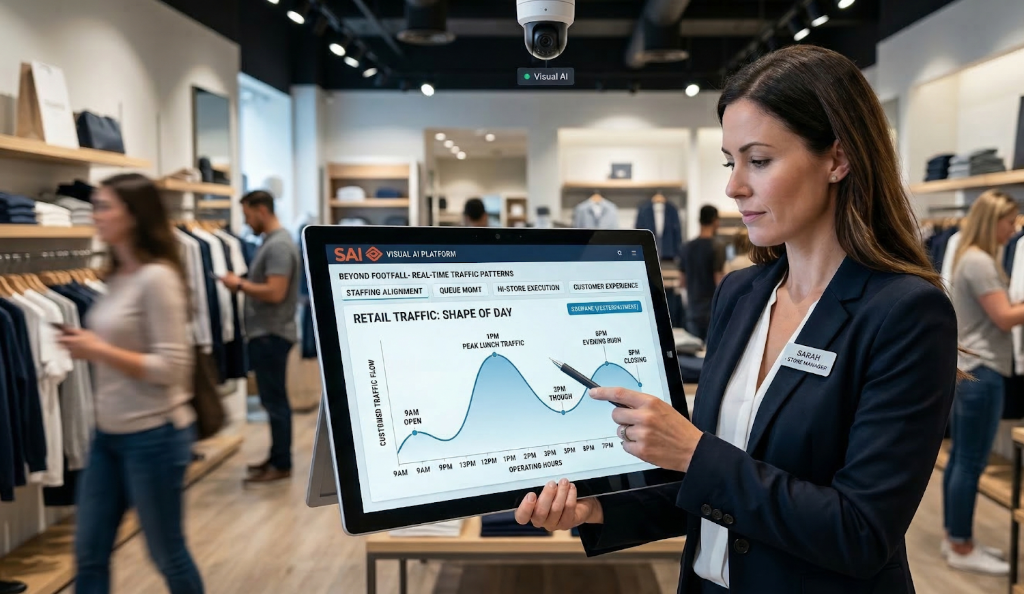
Checkout Queue Time
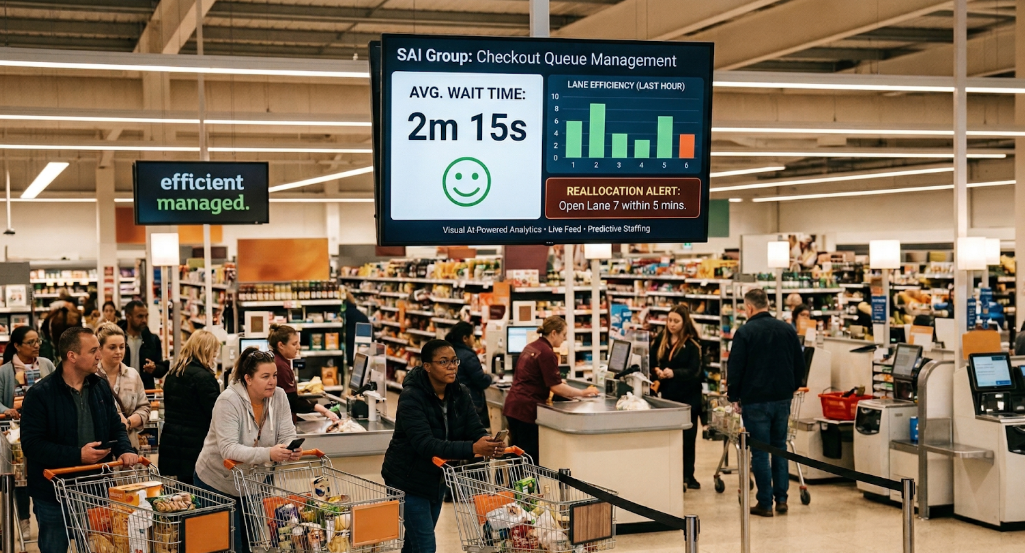
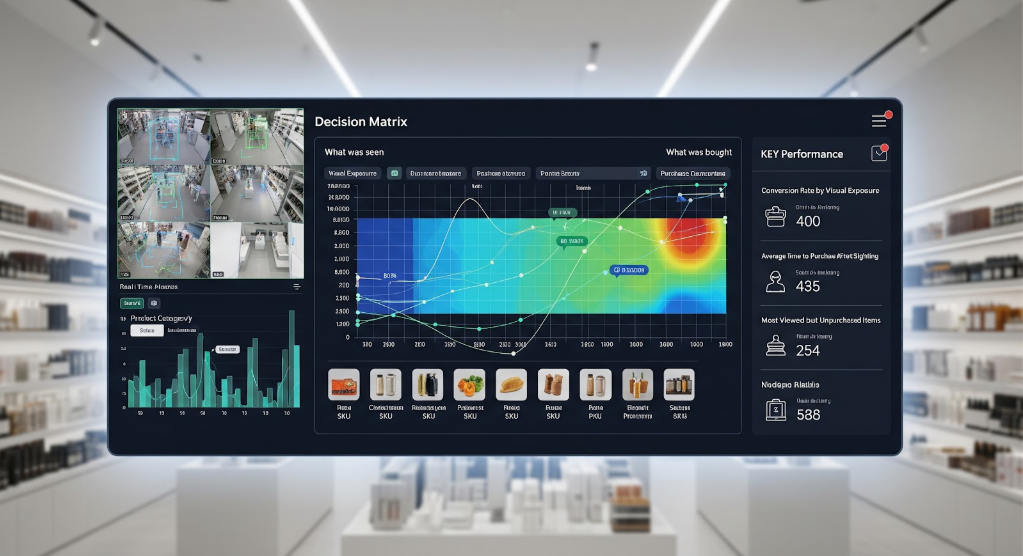
Decision Matrix
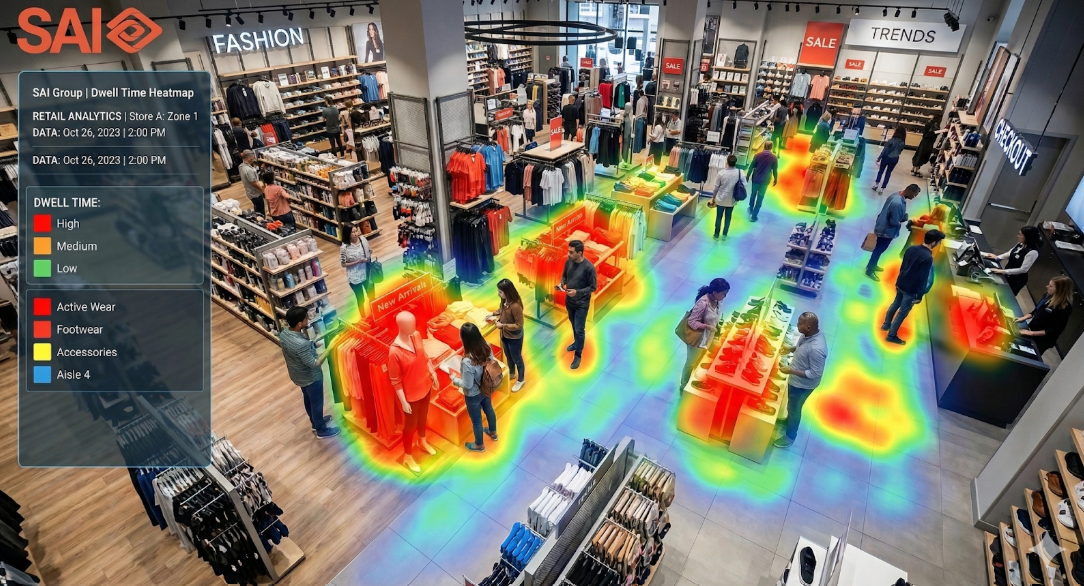
Dwell Time Heatmaps
Journey Statistics

Protect Changing Area

Service Alerts
Detailed view
In today's fast‑paced retail environment, timely and relevant customer assistance can be the difference between a completed purchase and a missed opportunity. The Service Alerts feature of SAI Group's visual AI platform is designed to bridge the gap between customer intent and staff response by intelligently notifying store colleagues when a customer appears to need assistance.
By observing customer interactions with merchandise—such as spending extended time with a product or actively engaging with items—Service Alerts enables store teams to respond at the right moment, without guesswork or intrusive monitoring. The result is a more attentive, responsive, and service‑led retail experience that benefits customers, staff, and store performance alike.
Why the Service Alerts feature is important for retail stores
Retail associates often manage multiple responsibilities simultaneously: assisting customers, replenishing shelves, maintaining displays, and completing operational tasks. In this environment, it is easy to miss subtle signals that a customer may need help.
Service Alerts addresses several critical challenges faced by modern retail stores:
By automatically highlighting moments when customer attention and intent are highest, Service Alerts helps stores deliver assistance that is timely, relevant, and consistent—without relying solely on manual observation.
How does the Service Alerts feature work?
Service Alerts uses visual AI to observe in‑store activity and identify interaction patterns that may indicate a need for assistance. When such a pattern is detected, the system sends a notification to a colleague, prompting them to attend to the customer.
At a high level, the process involves:
1. Observation of customer–merchandise interaction
The platform monitors how customers engage with products—for example, spending extended time at a display, repeatedly picking up an item, or actively examining merchandise.
2. Detection of service‑relevant behavior
When interaction patterns cross predefined thresholds that suggest interest, hesitation, or decision‑making, the system recognizes this as a potential service opportunity.
3. Real‑time alerting
A service alert is generated and delivered to a designated colleague or team, enabling a quick and informed response on the shop floor.
4. Human‑led engagement
The colleague approaches the customer naturally, offering assistance based on context rather than assumption.
Importantly, Service Alerts is designed to support staff judgment, not replace it. The alert acts as a prompt, leaving the final interaction and approach entirely in human hands.
FAQ
No. Service Alerts is designed to assist and empower associates by drawing attention to potential service moments. All customer interactions remain human‑led.
No. Alerts are generated only when interaction patterns suggest meaningful engagement with merchandise, helping avoid unnecessary interruptions.
Notifications are sent directly to designated staff through the platform’s alerting mechanism, enabling quick action on the shop floor.
Yes. The feature is intended to support a wide range of retail environments and merchandise types by focusing on customer interaction behavior rather than specific products.
By aligning staff attention with real customer needs, Service Alerts helps create a store environment that feels attentive, helpful, and responsive—without being intrusive.