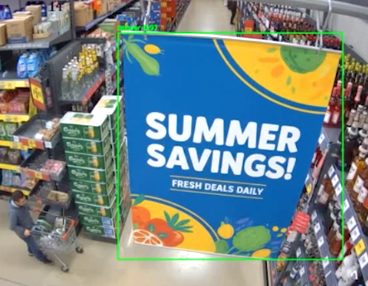
Camera Obstruction Alert
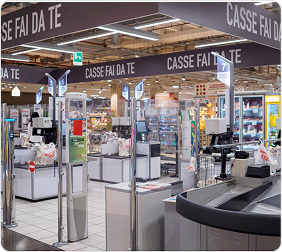
Security Gate Monitoring
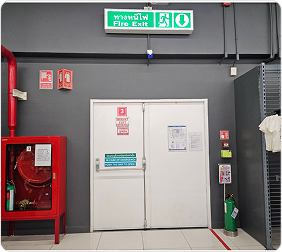
Fire Exit Monitoring
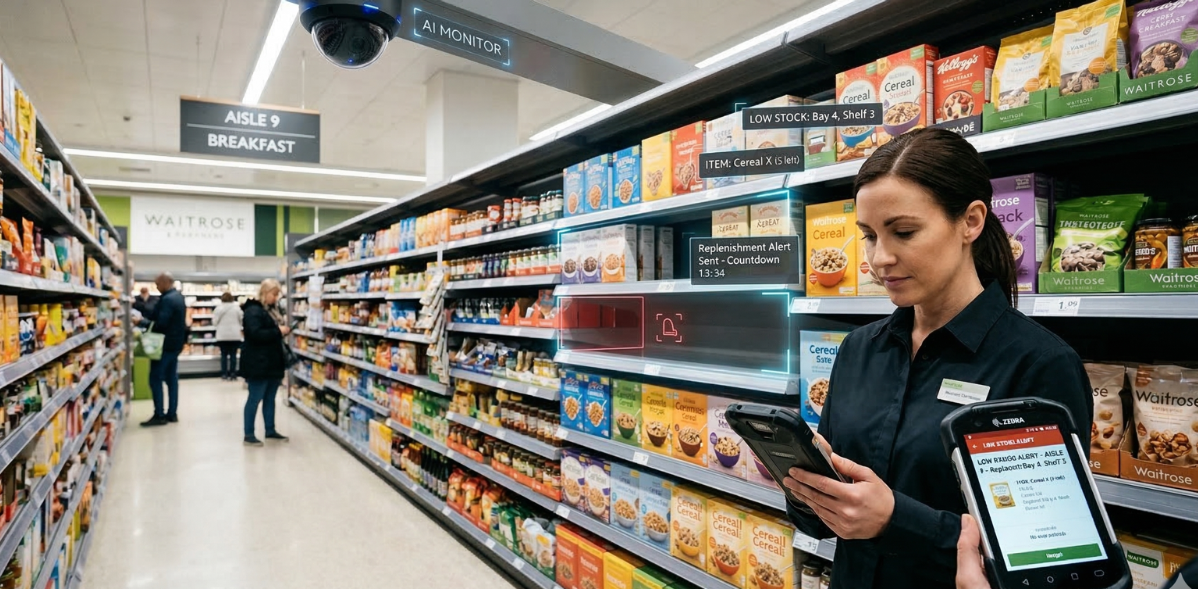
Low Stock or Out of Stock Detection
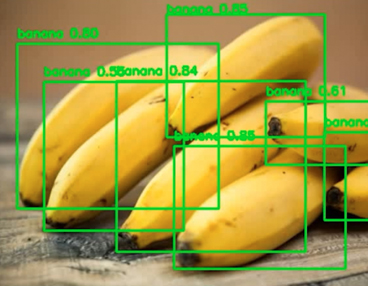
Produce Detection at Self-Checkout
Camera Obstruction Alert
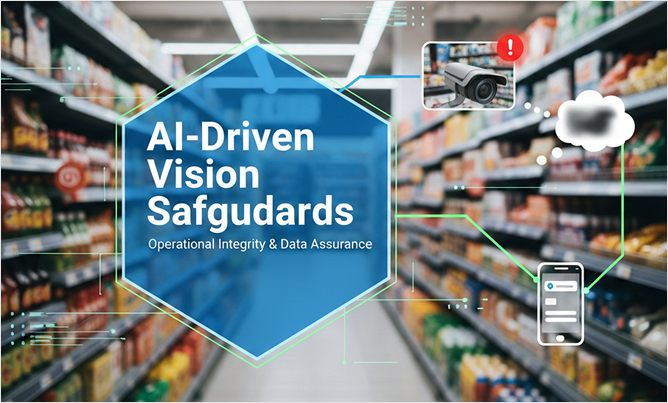
Detailed view : Operational Integrity & Data Assurance
The Camera Obstruction Alert feature in visual AI platforms for retail stores is an essential safeguard that ensures CCTV cameras remain unobstructed and operational. Retail CCTV cameras can be blocked by physical objects, intentional tampering, environmental factors, technical failures, or accidental misalignment. SAI visual AI platform uses advanced algorithms to detect these issues in real time and provides scenario-specific solutions, ranging from alert notifications to automated maintenance recommendations. This feature strengthens store security, optimizes operations, and preserves the quality of visual data used for analytics and business intelligence.
What is the Camera Obstruction Alert feature?
Visual AI platforms have revolutionized retail store operations by leveraging CCTV cameras for real-time analytics, security, and customer experience enhancement. However, the effectiveness of these platforms can be compromised when cameras become blocked or obscured. The Camera Obstruction Alert feature is a critical component designed to detect, diagnose, and respond to such scenarios, ensuring uninterrupted surveillance and data collection.
How do CCTV cameras get blocked?
CCTV cameras in retail environments may be blocked for a variety of reasons, each presenting unique challenges for visual AI platforms. Understanding these causes helps in designing robust systems that maintain operational integrity. The most frequent reasons include physical obstructions, intentional tampering, environmental factors, technical failures, and accidental misalignment
Physical Obstructions:
Merchandise, signage, or store fixtures might inadvertently block cameras. For example, during restocking or rearrangement, boxes or shelves can be placed in front of camera lenses, impeding their view.
Intentional Tampering:
Staff or customers may deliberately cover, turn, or disable cameras to evade surveillance, posing security risks.
Environmental Factors:
Dust, condensation, or glare from lighting can obscure camera lenses, reducing image quality and visibility.
Technical Failures:
Hardware malfunctions or connectivity issues may result in cameras being offline or non-functional, effectively blocking their output.
Accidental Misalignment:
Cameras can be unintentionally shifted during cleaning or maintenance, causing them to point away from their intended target areas.
How are blocked camera scenarios handled?
SAI visual AI platform is equipped with advanced detection and response mechanisms to address camera blockages efficiently. The feature is tailored to the specific cause of obstruction and is designed to restore full functionality with minimal disruption.
Detection Algorithms
AI-driven algorithms continuously monitor camera feeds for anomalies such as sudden darkness, blurred vision, or static images. When a blockage is detected, the visual AI platform triggers alerts for immediate investigation. This proactive detection minimizes downtime and enables swift remediation.
Automated Alerts and Notifications
Upon identifying a blocked camera, the visual AI platform sends automated notifications to store managers and security personnel. These alerts specify the camera’s location and the suspected cause, facilitating targeted responses. For example, if merchandise is detected as an obstruction, staff are prompted to clear the area.
Scenario-based responses to blocked cameras
Physical Obstructions:
The visual AI platform uses image analysis to distinguish between temporary and permanent blockages. If a blockage persists beyond a set threshold, escalation protocols are activated, including reminders and escalation to higher management.
Intentional Tampering:
When tampering is suspected, the system logs the event and may cross-reference store access records to identify potential culprits. Security teams are alerted to investigate and take corrective action.
Environmental Factors:
The visual AI platform can recommend maintenance actions, such as cleaning camera lenses or adjusting lighting. In some cases, it may automatically adjust camera settings to compensate for glare or low visibility.
Technical Failures:
The system monitors camera health and connectivity, triggering IT support workflows when hardware or network issues are detected. Redundant cameras or backup systems may be activated to ensure continued coverage.
Accidental Misalignment:
The visual AI platform can compare live feeds to baseline images, identifying misaligned cameras and guiding staff to reposition them correctly. This reduces blind spots and maintains optimal surveillance.
FAQ
The Camera Obstruction Alert feature is a capability of SAI visual AI platform that detects when surveillance cameras are obscured or not functioning and takes corrective action to restore visibility.
AI-driven algorithms analyze camera feeds for anomalies, such as darkness, blurry images, or static frames, and alert staff when a blockage is detected.
Blockages may result from physical objects, intentional tampering, environmental factors (like glare or dust), technical failures, or cameras being accidentally misaligned.
SAI visual AI platform sends alerts to relevant personnel and recommends actions based on the type of blockage, such as cleaning lenses, repositioning cameras, or investigating possible tampering.
It safeguards continuous surveillance, reduces risk of theft or loss, and ensures that analytics and business intelligence are based on reliable visual data.