
Slips, Trips and Falls Detection
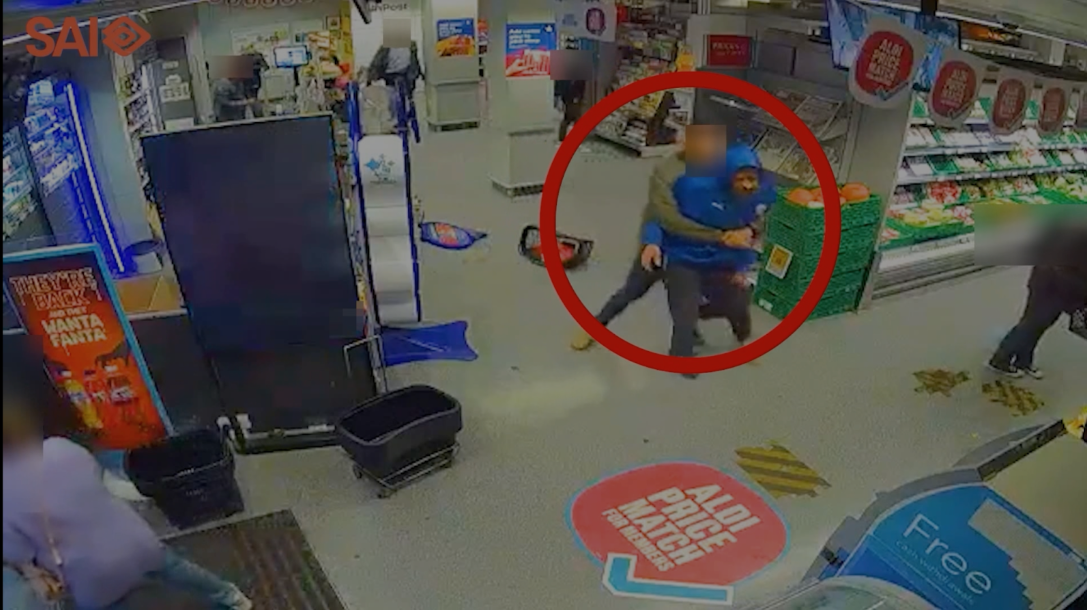
Violence Alert
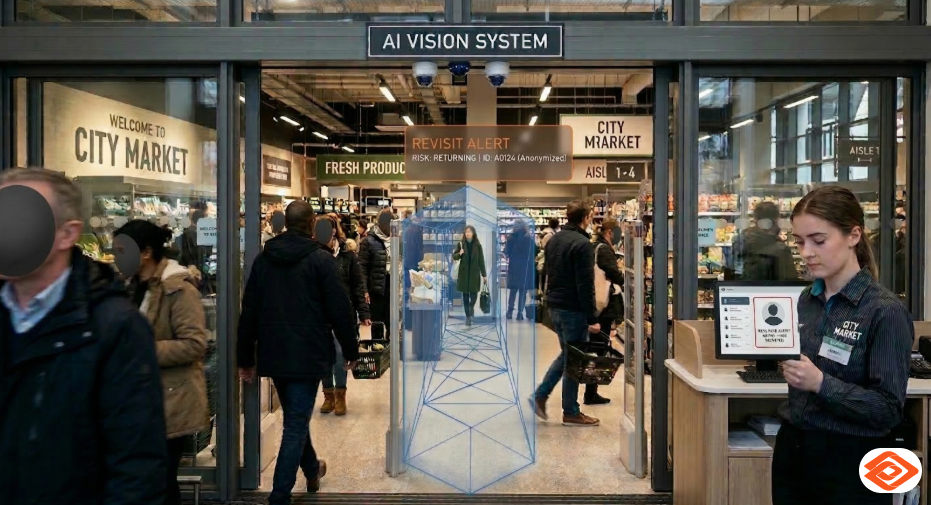
Revisit Alert
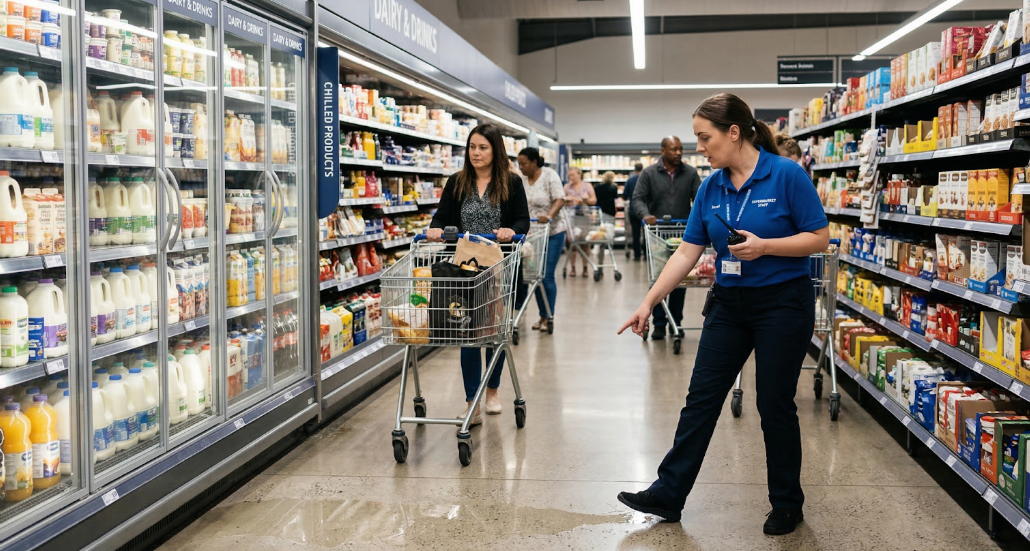
Slips, Trips and Falls Detection
Detailed view
Slips, trips, and falls are among the most frequent and costly safety incidents in retail environments. From liquid spills in grocery aisles to temporary obstructions such as replenishment cages, these hazards pose continuous risk to customers, associates, and store operations. Traditional prevention methods rely heavily on manual inspections and delayed reporting, which often means hazards are detected only after an incident has occurred.
The Slips, Trips and Falls feature of SAI Visual AI Platform uses real‑time computer vision to proactively detect both liquid spills and physical hazards across store environments. The system can identify clear and coloured liquids, distinguish between different hazard types, and apply hazard‑specific business rules to control how and when alerts are raised. This enables retailers to respond faster to high‑risk situations while avoiding alert fatigue for lower‑risk or temporary conditions.
By intelligently adapting detection and alerting to the store context (for example, raising alerts for replenishment cages in frozen aisles but not in non‑frozen aisles), the platform helps retailers improve safety outcomes, reduce operational risk, and maintain a better shopping experience.
Why the Slips, Trips and Falls feature is important for retail stores
Retail stores are dynamic environments with constant customer movement, frequent product handling, and regular replenishment activities. These conditions make them particularly vulnerable to slip and trip hazards, including:
Incidents related to slips, trips, and falls can lead to:
Manual safety checks alone are often insufficient, as hazards can appear and escalate between inspection rounds. The Slips, Trips and Falls feature addresses this gap by providing continuous, automated monitoring, ensuring hazards are detected early and acted upon before they result in incidents.
How the Slips, Trips and Falls feature works
Detection of liquid spills and physical hazards
The system detects:
Advanced visual models allow the platform to recognize subtle visual cues such as reflections, surface texture changes, and color contrast to identify hazards that are easy to miss with the naked eye.
Hazard‑specific treatment
Not all hazards carry the same level of risk. The platform classifies hazards by type and applies hazard‑specific logic, for example:
- • Clear liquid spills may be treated as higher risk due to low visibility
- • Larger or spreading spills may trigger faster escalation
- • Static objects versus moving or temporary obstructions are handled differently
This ensures that alerts are proportional to the actual risk on the shop floor.
Business rules association
Retailers can associate custom business rules with different hazard types, locations, and operating conditions. Examples include:
- • Delaying alerts for certain low‑risk hazards by up to 5 minutes to allow natural resolution
- • Raising near‑immediate alerts for high‑risk hazards such as liquid spills in high‑traffic areas
- • Applying different alert behaviours by aisle type, department, or store zone
Context‑aware alerting
The platform understands operational context. For example:
- • Replenishment cages trigger alerts when detected in frozen aisles, where moisture and low temperatures increase slip risk
- • The same cages may not trigger alerts in non‑frozen aisles, where they are expected as part of normal operations
This contextual intelligence reduces false positives and ensures store teams focus only on actionable issues.
FAQ
Yes. The platform is designed to detect both clear and colored liquids, including transparent spills that are typically difficult to identify visually.
Yes. Retailers can configure business rules to delay alerts for certain hazards (for example, up to 5 minutes) while triggering faster alerts for higher‑risk situations.
The Visual AI platform is designed to leverage existing in‑store camera infrastructure, minimizing the need for additional hardware.
The platform uses contextual rules. For example, replenishment cages may trigger alerts in frozen aisles due to higher risk, but not in non‑frozen aisles where they are expected.
Yes. The Slips, Trips and Falls feature can be configured for supermarkets, convenience stores, hypermarkets, and other retail environments with varying layouts and risk profiles.