
Pick in Aisle but Not Scan in SCO
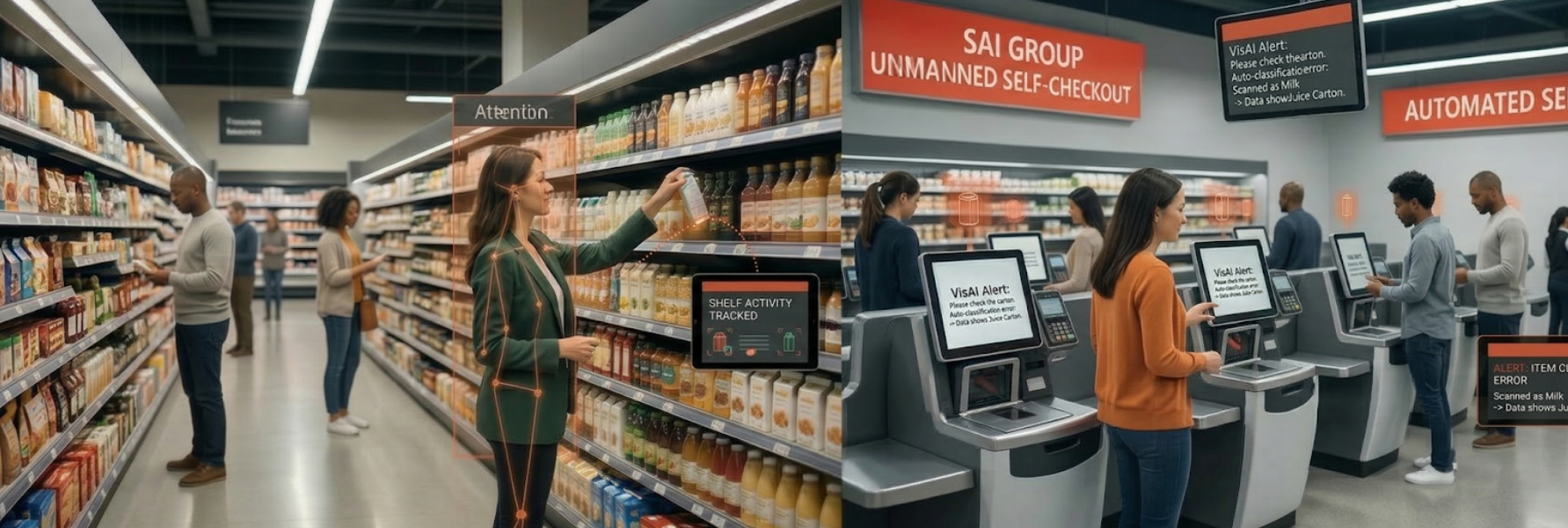
Aisle Monitoring
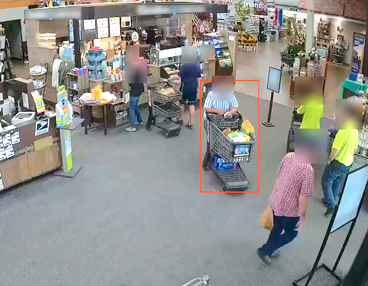
Full Trolley Pushout
Pick in Aisle but not Scan in Main Bank
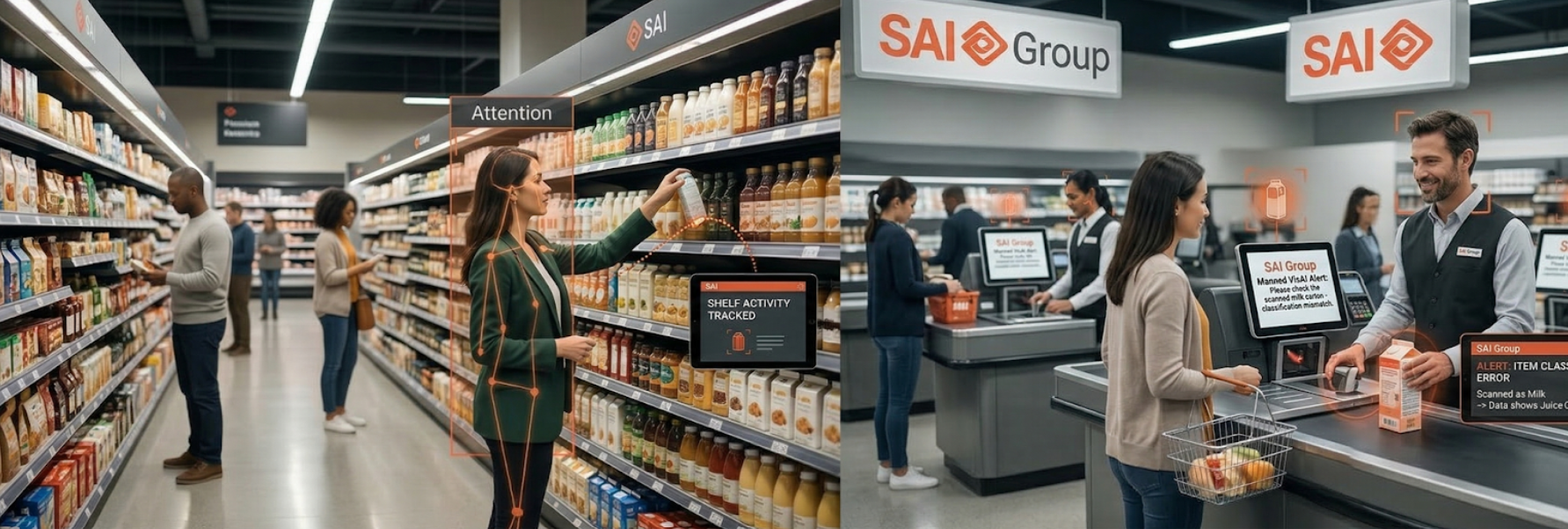
Pick in Aisle but Not Scan in SCO
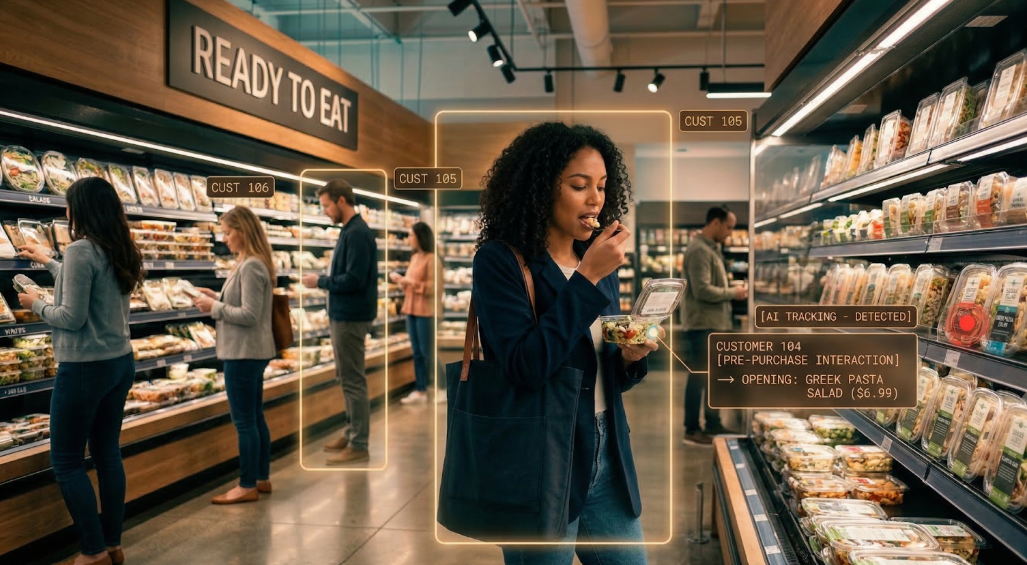
Consumption of Items in Store
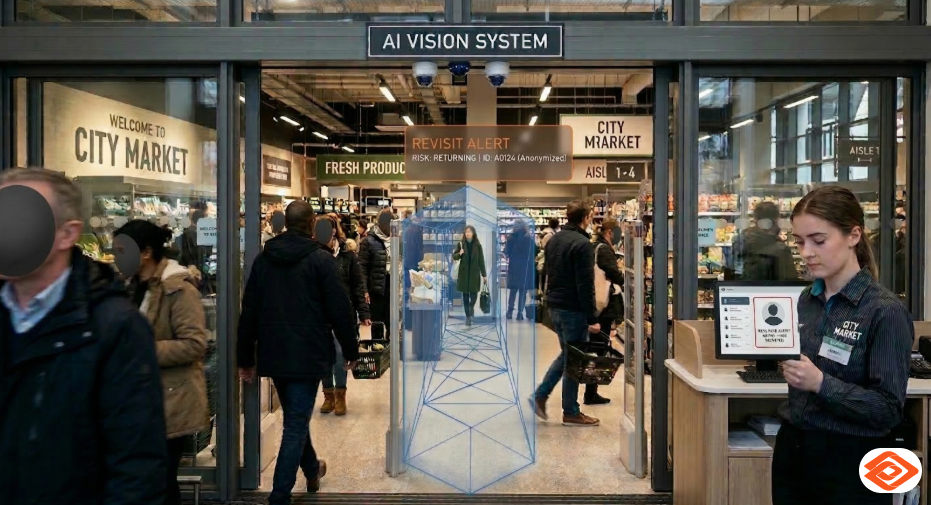
Revisit Alert
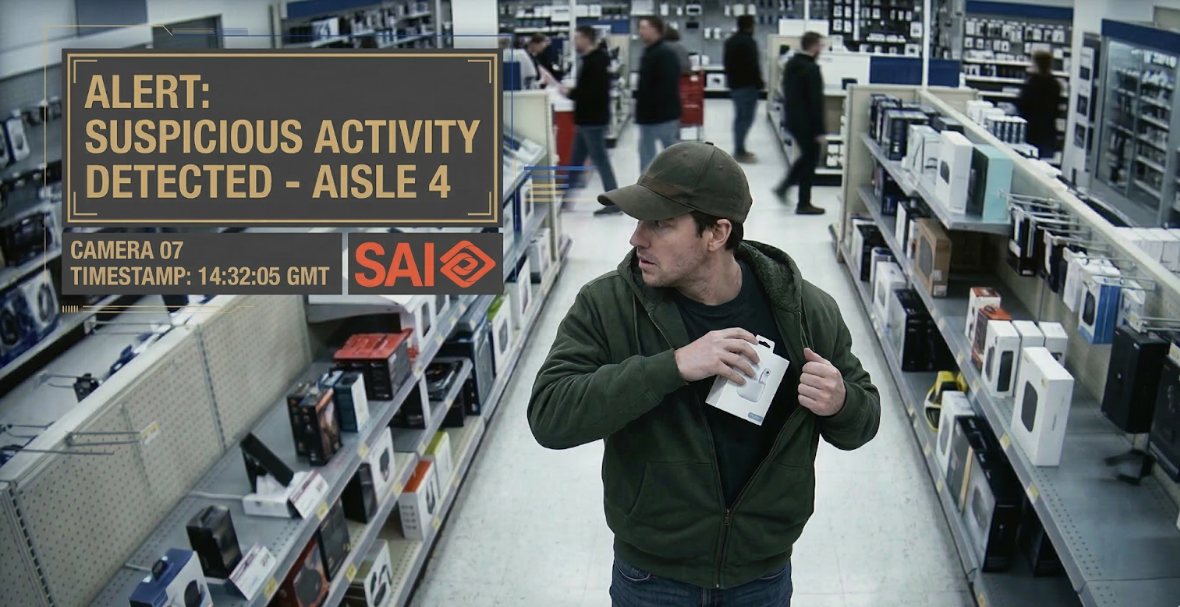
Shelf Swipe Alert

Pick in Aisle but Not Scanned in SCO
Detailed view
Self‑checkout (SCO) has become a core pillar of modern retail operations, delivering speed, convenience, and labor efficiency. However, as adoption has grown, so have loss vectors linked to unintentional errors and deliberate misuse. One of the most common patterns observed in stores is “Pick in aisle but not scan in SCO”—a scenario where an item is picked from the selling aisle but never registered at the self‑checkout terminal.
The Pick in aisle but not scan in SCO feature of the SAI Group’s Visual AI platform is designed to address this gap by providing retailers with visibility into missed‑scan events across the shopper journey. By correlating in‑aisle product interaction with activity at self‑checkout, the feature helps stores identify when an item leaves the aisle but does not appear in the transaction flow. The goal is not confrontation, but early detection, operational insight, and informed intervention.
This feature supports retailers in reducing shrink, improving SCO integrity, and gaining a clearer understanding of where and why breakdowns occur in the checkout process—while preserving a friction‑light customer experience.
Why Pick in Aisle Not Scanned in SCO Matters for Retail Loss Prevention
Retail shrink is no longer driven solely by traditional theft. A significant portion arises from process gaps, especially at self‑checkout. The “pick but not scan” scenario sits at the intersection of customer behavior, store layout, and technology limitations.
Key reasons why this scenario matters:
- •High frequency, low visibility
Missed scans can happen accidentally (forgetting an item, barcode issues) or intentionally. Without end‑to‑end visibility, these events often go undetected. - •Direct impact on margins
Even small‑ticket items, when repeatedly missed, can accumulate into material losses at store level. - •Operational blind spots
Traditional SCO monitoring focuses on the checkout zone only. If an item never reaches the scanner, the system has no inherent context about where the loss originated. - •Staff efficiency challenges
Associates are often expected to oversee multiple SCO lanes, making manual detection of missed items impractical at scale. - •Customer experience risk
Overly aggressive or random interventions can frustrate honest shoppers. Stores need more precise signals to decide when to intervene and when not to.
By addressing this scenario specifically, retailers can shift from reactive loss handling to proactive exception awareness.
How does the Pick in Aisle but Not Scan in SCO feature work?
At a conceptual level, the feature works by connecting two previously disconnected moments in the shopping journey:
- 1product interaction in the aisle, and
- 2item registration at self‑checkout.
AI Detects In-Aisle Product Interaction (Computer Vision)
Visual AI models observe product movement events in store aisles, such as items being picked from shelves. These observations establish a baseline expectation that the picked item will later appear in the checkout process.
Self-Checkout (SCO) Transaction Monitoring
At self‑checkout, the system observes the flow of scanned items and transaction completion. This creates a record of what was registered and paid for.
Cross‑Journey Correlation
The correlation engine works on a defined time window: once an item leaves the aisle, it checks the self-checkout transaction log for a matching scan within that window. A missing match—combined with confidence scoring across the shopper's SCO session—triggers a pick-but-not-scan exception, rather than a single missed frame being treated as conclusive.
Contextual Exception Handling
Rather than treating every exception as wrongdoing, the feature is designed to surface actionable context:
- • Was the transaction completed?
- • Were other items scanned correctly?
- • Does the pattern repeat over time or locations?
This context allows retailers to decide how best to respond—through associate assistance, process improvement, or layout changes.
Importantly, the feature is intended to support operational decision‑making, not to replace human judgment.
FAQ
No. The feature is designed to identify exceptions, not intent. It provides context so retailers can choose appropriate, customer‑friendly responses.
Conceptually, the system focuses on patterns and confidence thresholds, not single isolated events, to reduce noise and false positives.
Traditional SCO systems only observe what happens at the checkout. This feature extends visibility upstream into the aisle, closing a major blind spot.
Yes. Many missed scans are accidental. Identifying them allows stores to improve signage, prompts, and associate assistance.
The intent is to keep the experience friction‑light. Any interventions are informed, selective, and aligned with store policies.
While loss reduction is a key outcome, the feature also supports operational optimization, staff efficiency, and better store design decisions.