
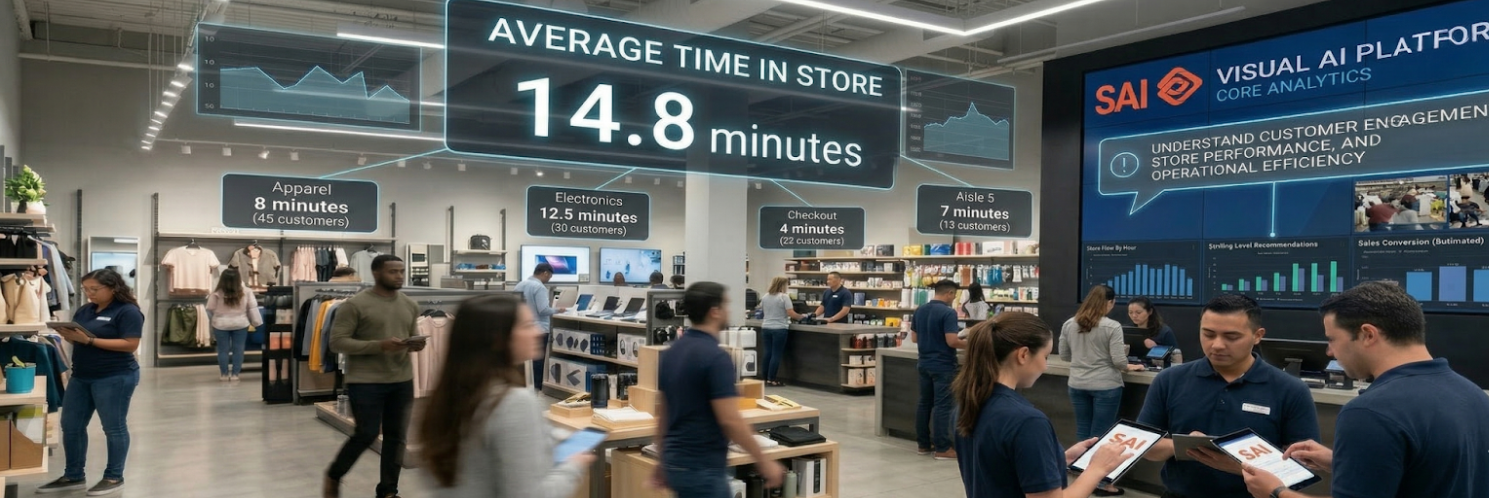
Average Time in Store
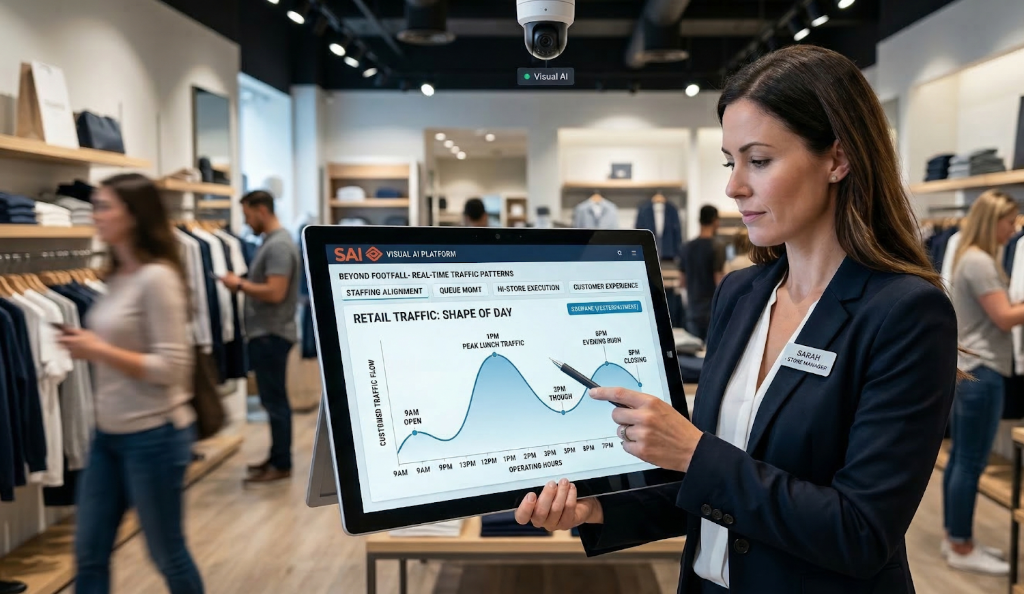
Customers in Store Count
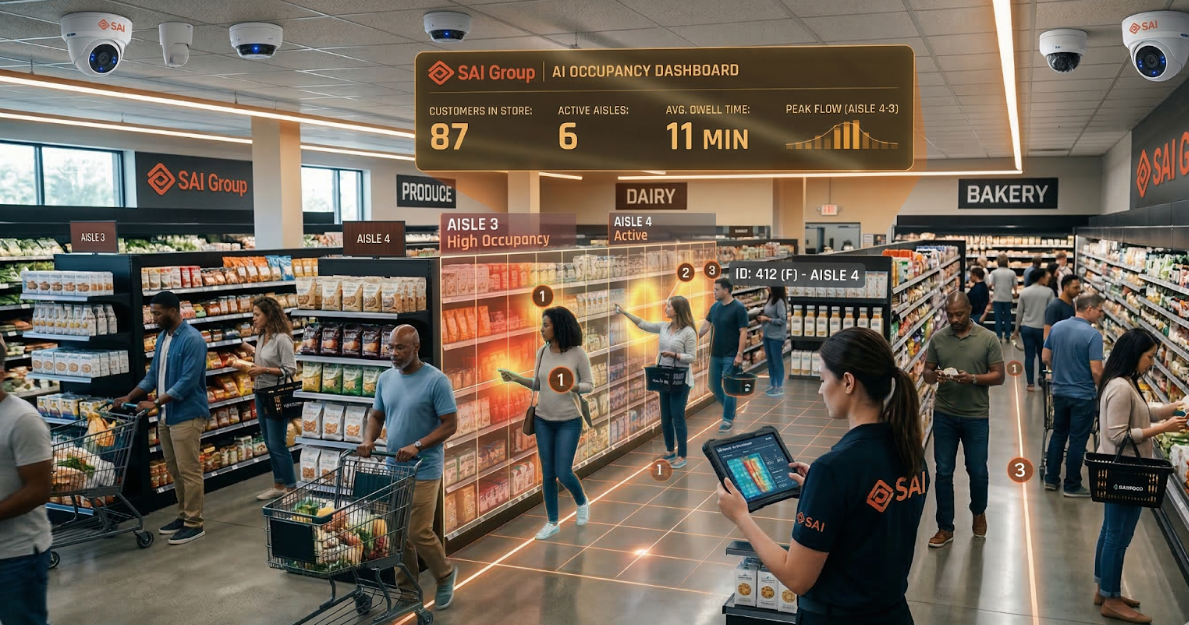
Customer Traffic Shape of Day
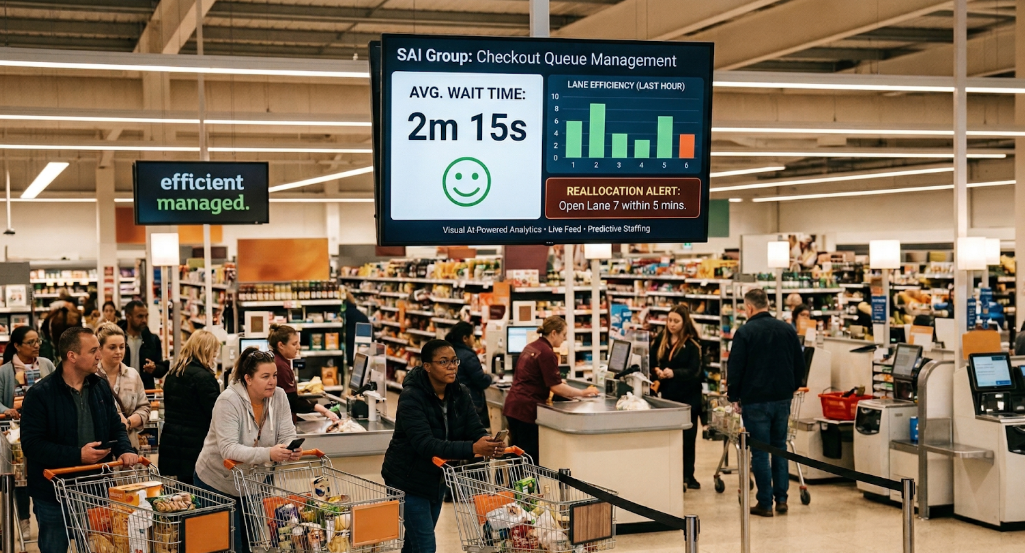
Checkout Queue Time
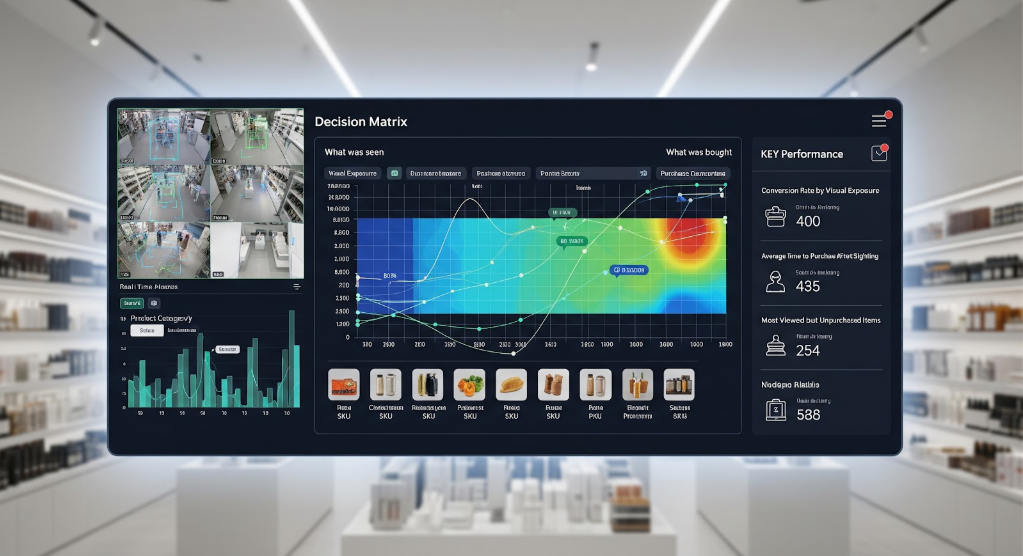
Decision Matrix
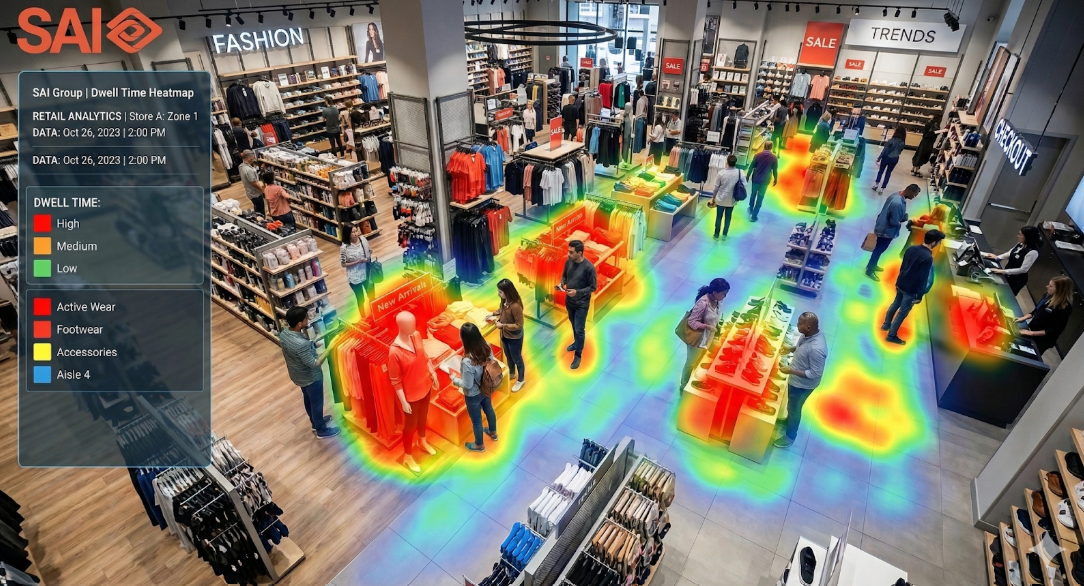
Dwell Time Heatmaps
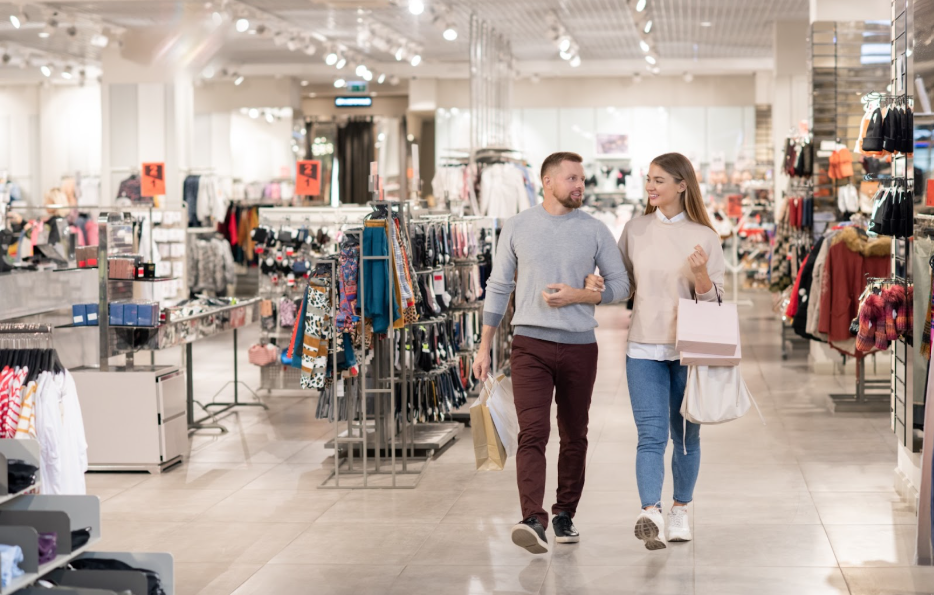
Journey Statistics
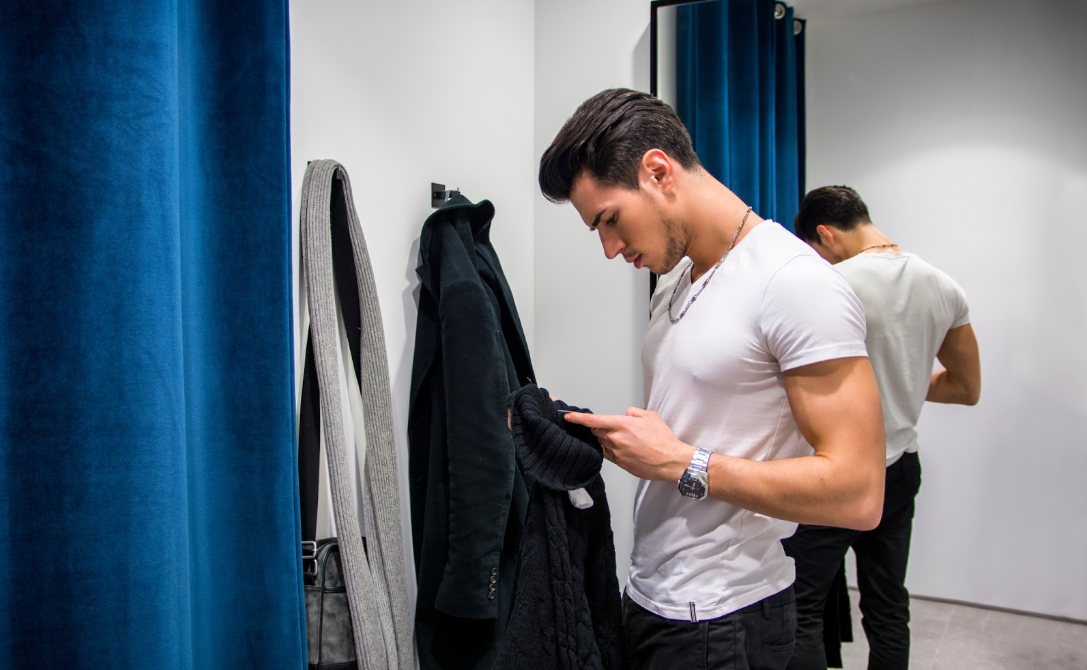
Protect Changing Area
Service Alerts

Average Time in Store
Detailed view
Average Time in Store is a core analytics feature of SAI Group’s Visual AI platform that helps retailers understand how long customers spend inside a store during a visit. By using computer vision and AI-driven tracking, the feature transforms raw video data into actionable insights about customer engagement, store performance, and operational efficiency.
Rather than relying on assumptions or manual observation, retailers gain a consistent, data-driven view of customer dwell behavior across different times of day, store zones, and formats. These insights help retail teams make better decisions around store layout, staffing, merchandising, and customer experience optimization—directly linking time spent in-store to business outcomes such as conversion, satisfaction, and sales uplift.
Why the Average Time in Store feature is important for retail stores
In physical retail, time is a strong proxy for intent and engagement. How long a customer stays in a store often reflects how comfortable, interested, or successful they are in finding what they need.
Key reasons this metric matters include:
Longer visits may indicate strong product interest or effective visual merchandising, while very short visits can signal confusion, poor layout, or unmet expectations.
Footfall alone shows how many people enter a store, but average time in store reveals the quality of those visits.
Understanding visit duration helps retailers align staffing levels, improve queue management, and reduce friction points that cause early exits.
Comparing average time in store across locations, days, or campaigns allows retailers to identify best-performing stores and replicate successful practices.
In an era where online retail offers rich behavioral data, Average Time in Store helps physical retail close the insight gap.
How does the Average Time in Store feature work?
The Average Time in Store feature is powered by Visual AI and computer vision models that analyze video feeds from in-store cameras.
At a high level, the process works as follows:
1. Customer detection and entry identification
The system identifies individuals entering the store using visual cues, without relying on personal identity information.
2. Anonymous movement tracking
Each detected customer is tracked anonymously as they move through the store, from entry to exit.
3. Visit duration calculation
The platform calculates the time difference between store entry and exit to determine the duration of each visit.
4. Aggregation and analysis
Individual visit durations are aggregated to generate:
5. Dashboard visualization and reporting
Insights are presented through dashboards or reports that retail teams can use for monitoring and decision-making.
The entire workflow is designed to be automated, scalable, and privacy-conscious, ensuring reliable insights without operational overhead.
FAQ
Not exactly. Average Time in Store measures the total duration of a customer’s visit from entry to exit, while dwell time typically refers to time spent in a specific zone or area.
No. The feature is designed to work with anonymous visual tracking and does not rely on personal identification.
Yes. Average Time in Store can be analyzed across hours, days, weeks, or custom time ranges to identify trends and patterns.
Retail teams can use it to adjust staffing, improve layouts, evaluate promotions, and detect experience issues that may be causing customers to leave early.
Yes. Average Time in Store is applicable to a wide range of formats, including supermarkets, specialty retail, convenience stores, and large-format stores.