
Consumption of Items in Store
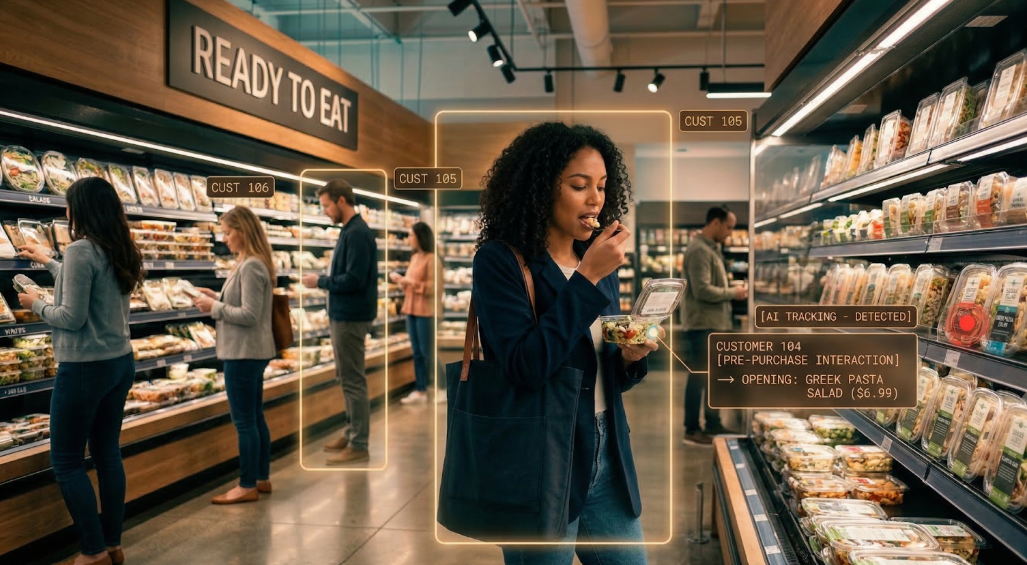
Aisle Monitoring
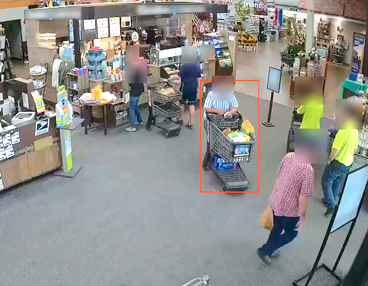
Full Trolley Pushout
Pick in Aisle but not Scan in Main Bank
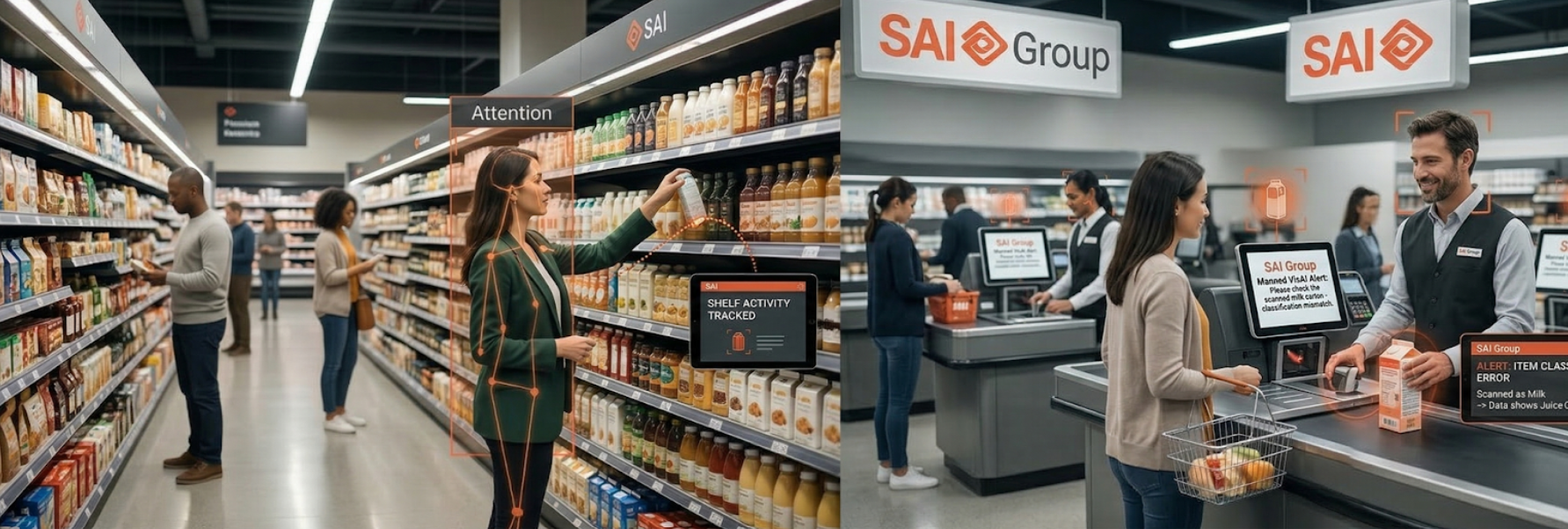
Pick in Aisle but Not Scan in SCO
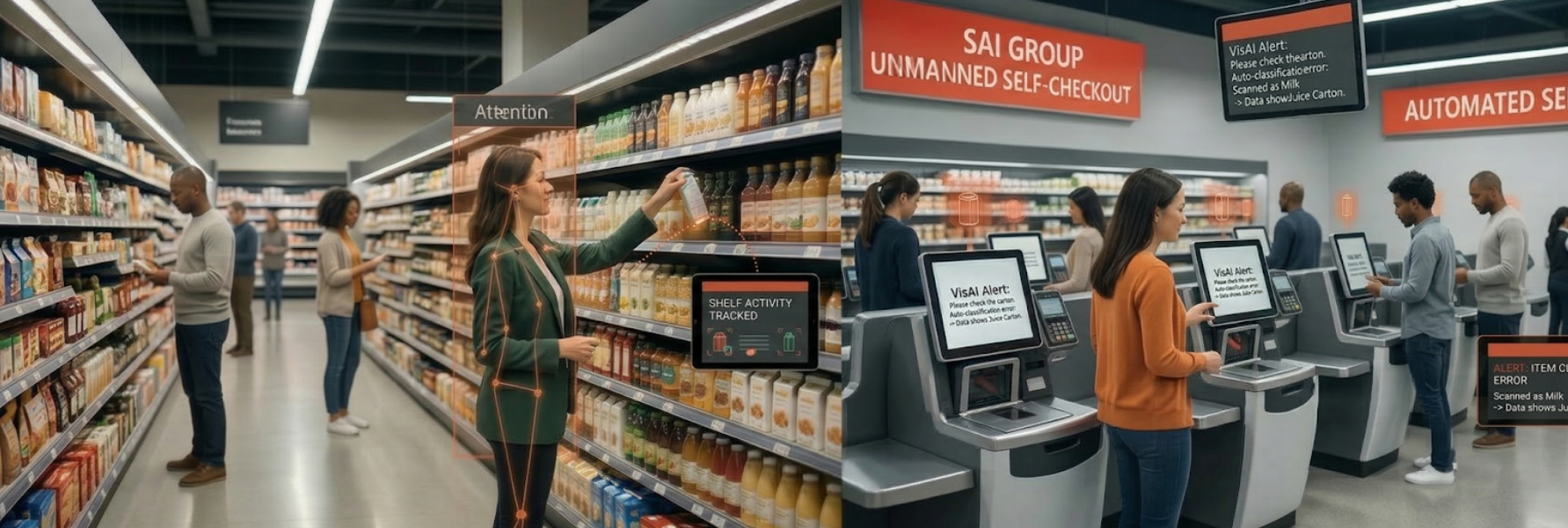
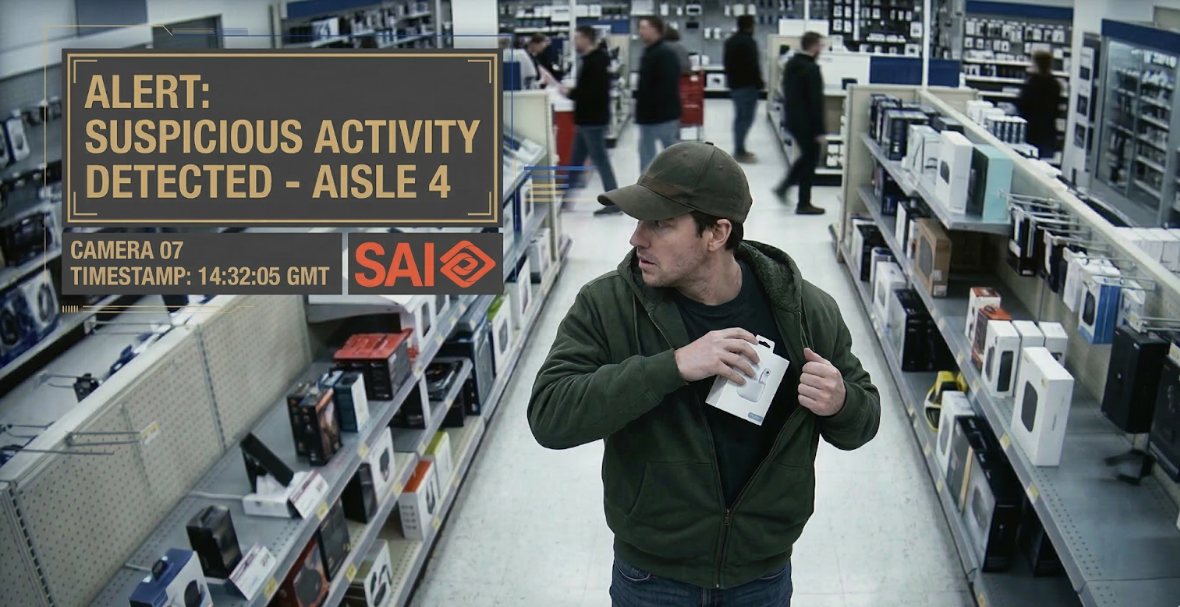
Revisit Alert
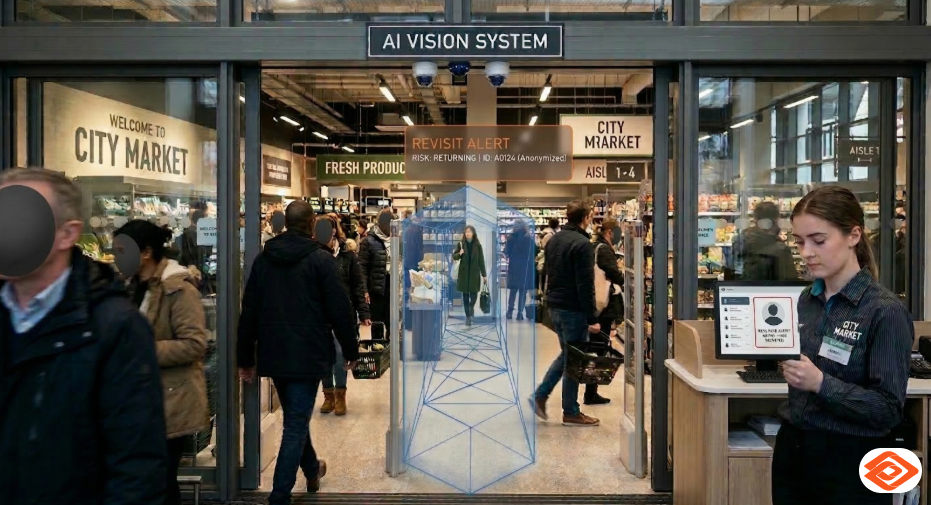
Shelf Swipe Alert
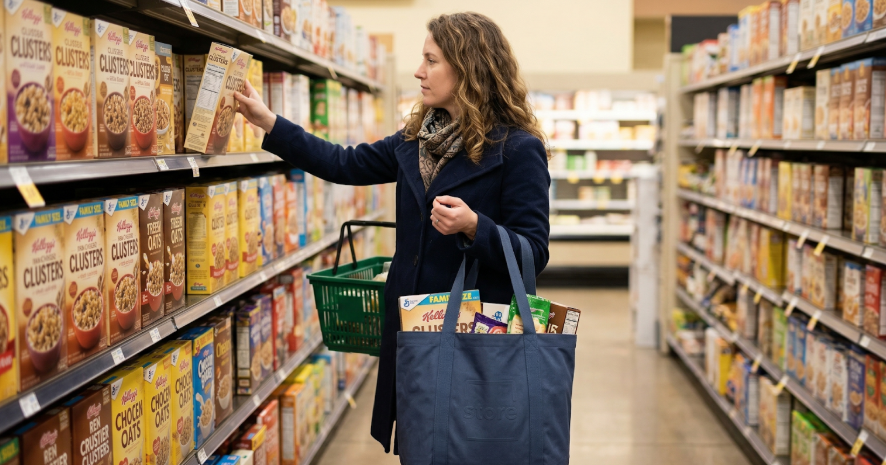
Consumption of Items in Store
Detailed view
The “Consumption of items in store” capability enables retailers to understand when products are picked up, used, partially consumed, or removed from shelves without completing a standard purchase flow. Built on SAI Group’s visual AI platform, this capability uses computer vision layered over existing CCTV infrastructure to interpret in‑store product interactions in real time. ,
By detecting item‑level interactions and contextual behaviour, retailers gain visibility into shrinkage drivers, sampling activity, operational leakage, and non‑payment events, particularly in high‑risk zones such as fresh food, ready‑to‑eat sections, and self‑checkout environments. This insight allows stores to move from reactive loss handling to proactive intervention and data‑driven store operations.
Why “Consumption of Items in Store” is important for retail stores
Retailers face growing pressure from in‑store losses that do not always resemble traditional shoplifting. Items may be opened, partially consumed, or abandoned after use—creating hidden shrinkage that standard POS systems cannot detect.
SAI Group positions visual AI as a way to bridge the gap between physical store activity and digital transaction systems, using live video analytics to surface risks and anomalies that would otherwise go unnoticed.
Key business drivers include:
- • Shrinkage reduction: Non‑scanned or partially consumed items directly impact margins, especially in grocery and convenience formats.
- • Self‑checkout vulnerability: Visual AI is increasingly used to detect non‑payment or item handling discrepancies at SCO lanes.
- • Operational visibility: Manual audits cannot scale across thousands of daily customer interactions.
- • Customer experience balance: Retailers need insight without introducing intrusive controls or excessive staff intervention.
By understanding item consumption behaviour, retailers can protect revenue while preserving a friction‑light shopping experience.
How does the “Consumption of Items in Store” feature work?
The capability is enabled through SAI Group’s visual AI platform, which overlays machine‑vision models on top of existing in‑store camera feeds.
At a high level, the system operates as follows:
1. Visual monitoring of product zones
Cameras already installed in aisles, fresh food areas, or checkout zones provide continuous video input, avoiding the need for new hardware deployment.
2. Detection of item interaction events
Computer‑vision models identify product‑related actions such as:
- • Items being picked up from shelves
- • Packaging being opened
- • Products leaving a zone without a corresponding checkout interaction These event types align with the broader visual AI capabilities SAI Group highlights for theft and non‑payment detection.
3. Contextual analysis
Rather than flagging every interaction, the platform evaluates behavioural context—for example, duration, movement patterns, and proximity to payment points—reducing false positives.
4. Real‑time alerts and evidence capture
When a consumption‑related risk is identified, alerts can be sent to store staff or security systems, and video evidence is automatically extracted for review or reporting.
Importantly, the platform focuses on event detection, not personal identification, aligning with SAI Group’s emphasis on compliant, responsible AI use in retail environments.
FAQ
No. While related, consumption detection focuses on usage or partial usage of items, which may not involve concealment or exit theft. It complements shoplifting detection rather than replacing it.
SAI Group states that its visual AI platform overlays AI on existing CCTV infrastructure, minimizing additional hardware requirements.
The platform uses behavioural context and pattern recognition, a core strength of modern visual AI systems, rather than relying on single-frame triggers.
Public descriptions of SAI Group’s platform emphasize event detection and operational intelligence, not identity recognition, supporting responsible deployment in retail environments.
Grocery, convenience, and high‑traffic stores with fresh food, ready‑to‑eat items, or heavy self‑checkout usage tend to see the highest impact.