
Assisted Checkout Monitoring
Internal Fraud
.png)
Self‑Scan Theft Monitoring
Self-Checkout Theft Detection & Monitoring
Queue and Checkout Monitoring
Queue Management
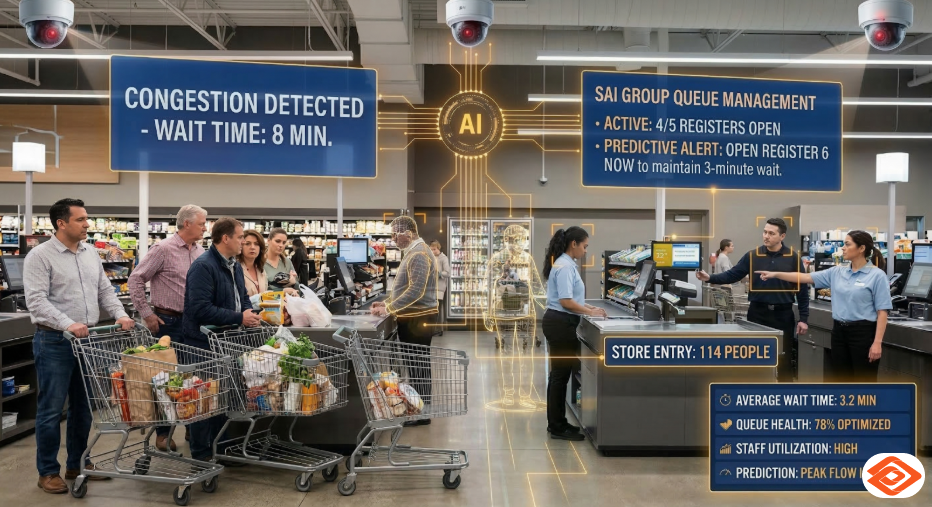
SCO Queue Availability Management
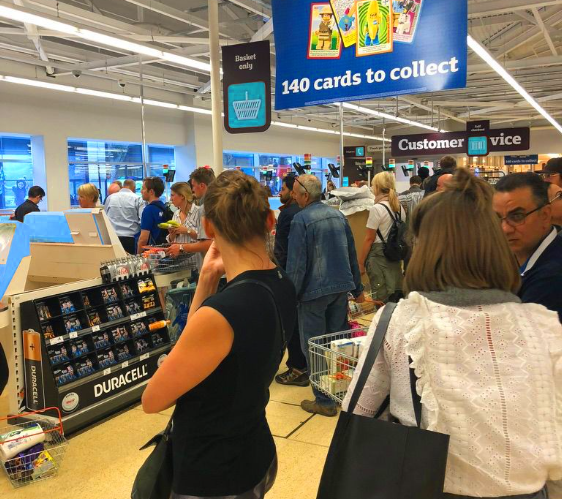
Assisted Checkout Monitoring
Summary
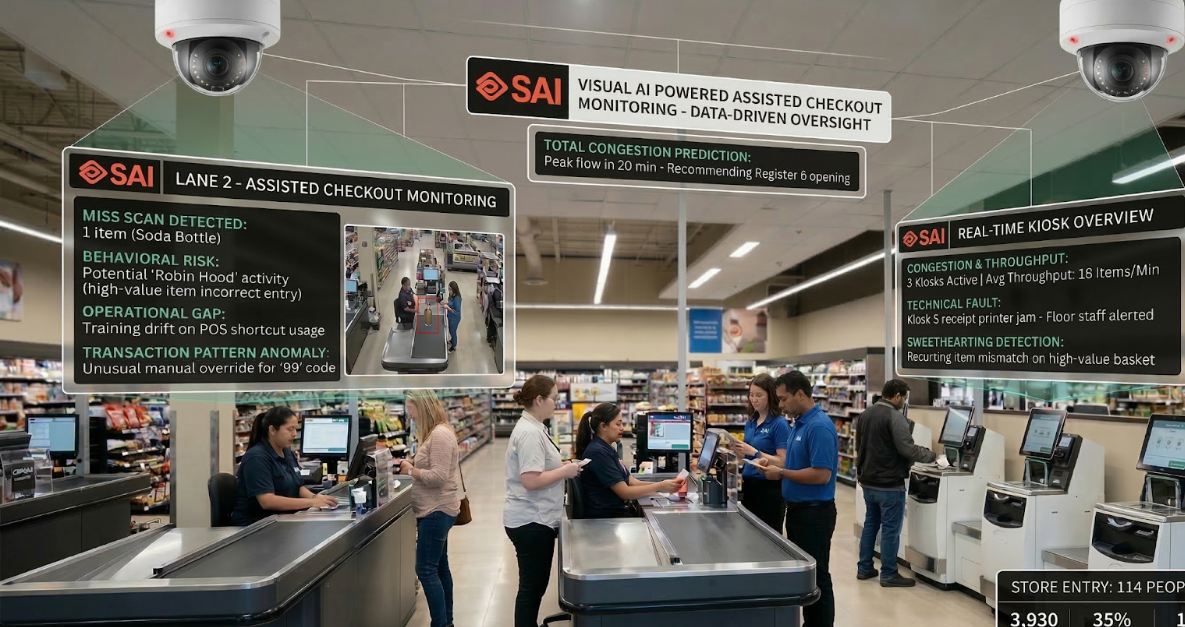
Retail checkout remains one of the most critical—and vulnerable—points in the store journey. Missed scans, procedural non‑compliance, and technical faults at the point of sale (POS) contribute to significant but often avoidable loss. SAI Group's Assisted Checkout Monitoring feature delivers intelligent, visual AI driven oversight across belted, non‑belted, and kiosk‑style checkout environments, enabling retailers to detect, understand, and address both behavioural and operational risks in real time.
Built as part of SAI Group's core loss prevention solution, the capability goes beyond traditional missed‑scan detection. It identifies complex behaviours such as Sweet Hearting, Robin Hood activity, and recurring patterns that may indicate training gaps or process drift. At the same time, it distinguishes human behaviour from system or POS faults, helping retailers surface technical issues that might otherwise remain hidden.
By combining real‑time intervention with deep operational insight, Assisted Checkout Monitoring supports loss prevention, colleague performance, compliance, and better front‑end decision‑making—without disrupting the customer experience.
Why Assisted Checkout Monitoring Is Important for Retail Stores
Checkout shrink remains one of the hardest forms of loss to control. Unlike theft on the shop floor, checkout loss often appears legitimate: items move through the till, staff are present, and transactions are completed. This makes root‑cause analysis difficult and traditional controls ineffective.
Key challenges retailers face include:
Without clear visibility, retailers risk responding with blunt controls that damage trust, slow throughput, or unfairly penalise staff. Assisted Checkout Monitoring addresses this gap by providing objective, visual evidence and contextual insight—enabling proportionate, informed action.
How the Assisted Checkout Monitoring Feature Works
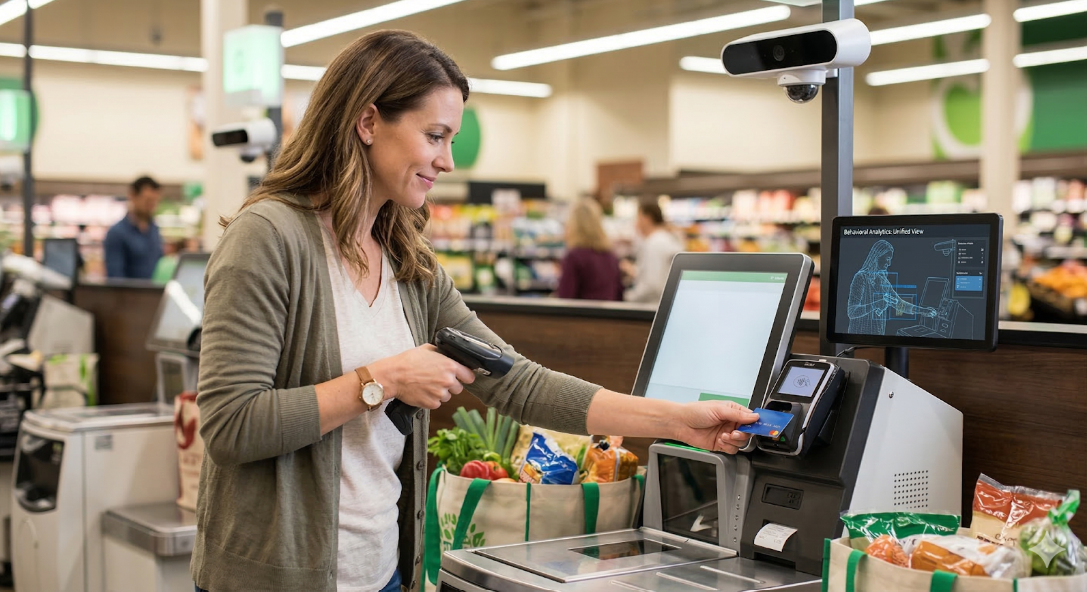
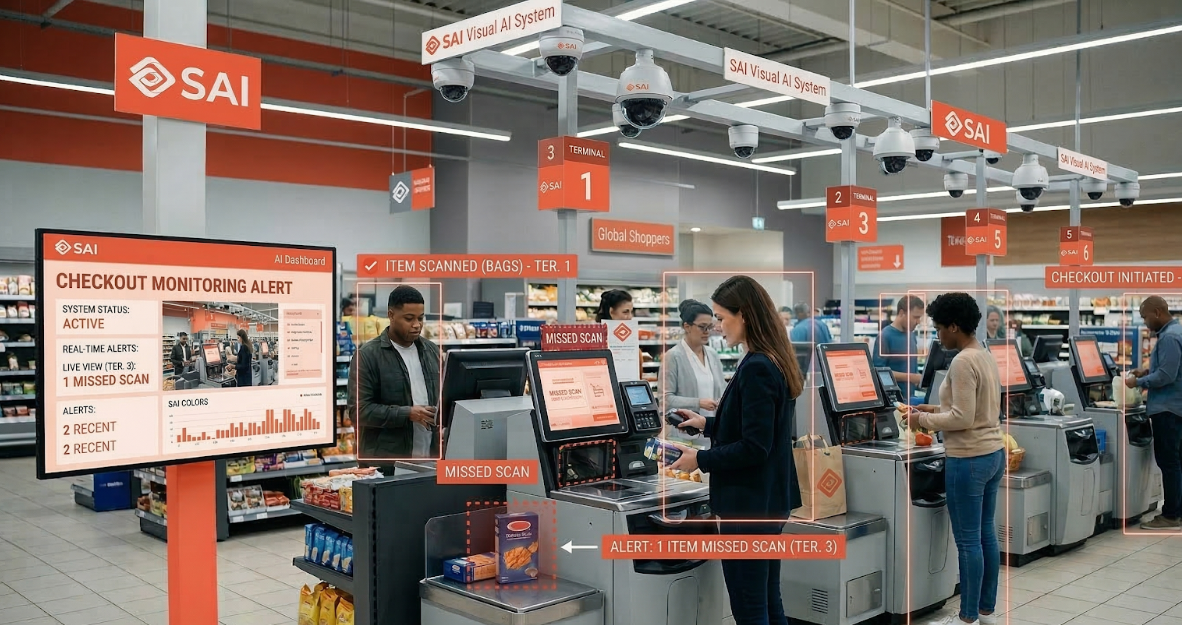
SAI Group's Assisted Checkout Monitoring uses visual AI to continuously observe checkout activity and correlate the item that is physically handled with the one registered on the receipt. The system operates consistently across belted checkouts, non‑belted counters, and kiosk‑style lanes, ensuring uniform coverage regardless of store format.
Intelligent Event Detection
The platform detects standard missed‑scan events, but also recognises more complex behavioural patterns. These include:
Real‑Time Intervention
When a risk event is identified, the system can trigger live nudges at the till, prompting the customer to take immediate corrective action. This allows issues to be resolved in the moment—before loss occurs—and without escalating to formal intervention by store staff.
Offline Review and Analysis
All detected events are available for offline review, enabling audit, investigation, and coaching. Managers can examine visual evidence alongside transaction data to understand what happened, why it happened, and how it should be addressed.
Bottom‑of‑Basket and Trolley Detection
The feature includes dedicated detection for items left in baskets or trolleys, a common and costly source of missed scans. By identifying these events consistently, retailers can significantly reduce avoidable loss without increasing checkout friction.
Identification of POS and System Faults
One of the key aspects of Assisted Checkout Monitoring is that it does not assume that every missed scan is a human issue. The system can highlight scenarios where items are handled correctly but fail to appear on the receipt due to:
This insight helps retailers distinguish behavioural risk from technical failure, supporting faster diagnosis and more effective remediation.
FAQ
Yes. The feature is designed to operate across belted, non‑belted, and kiosk‑style checkout environments.
No. While loss reduction is a core outcome, the system also supports performance improvement, training, compliance, and operational diagnostics.
Yes. All events can be reviewed offline for audit, investigation, and coaching purposes.
The platform helps distinguish between human behaviour and technical issues, such as POS faults, ensuring that root causes are correctly identified.
Live nudges are designed to be minimal and supportive, enabling immediate correction without disrupting the customer experience.