
Broadcast
Subject Data Access Request (SDAR)
Feature.png)
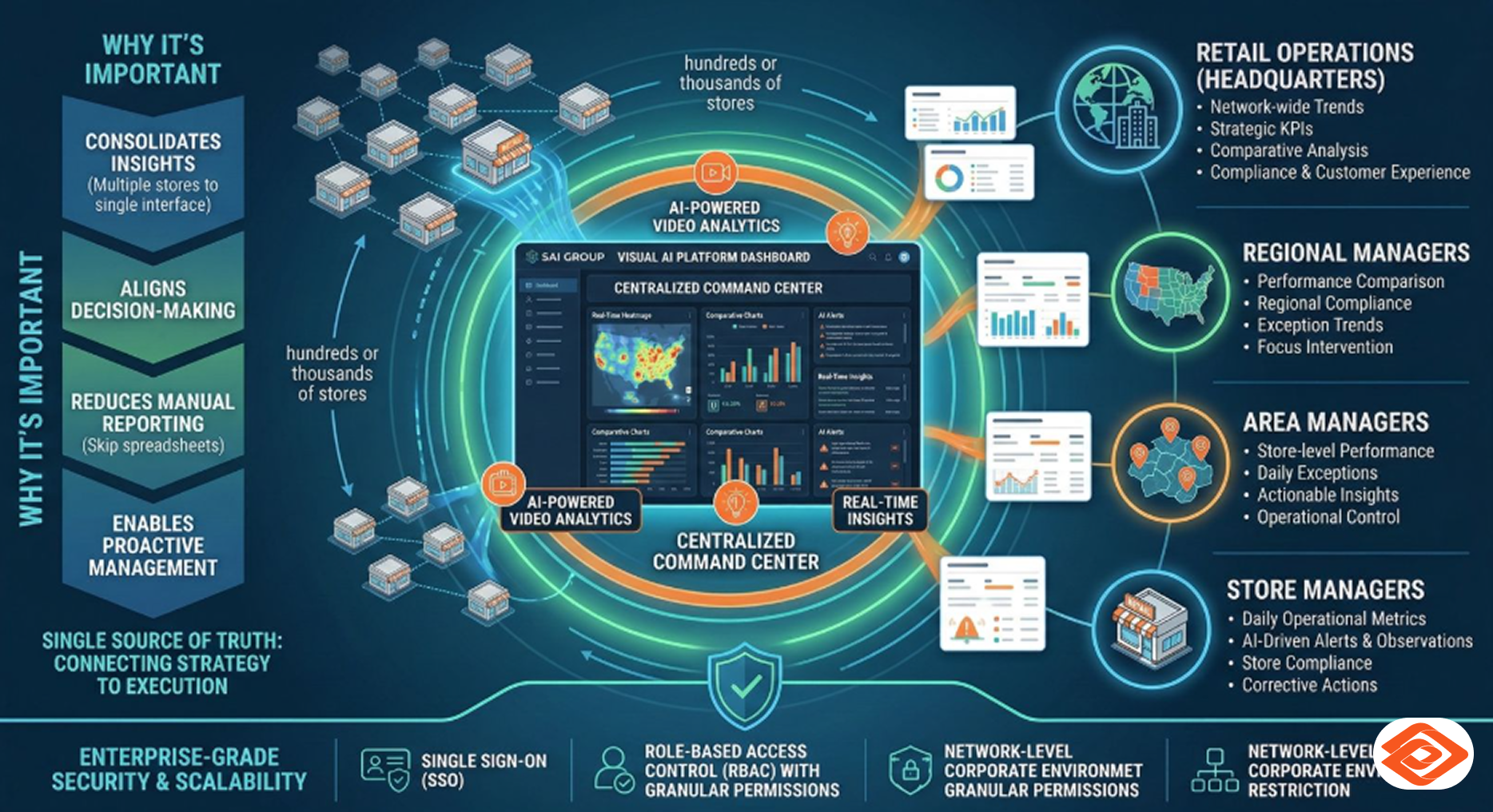
Dashboard Feature
Turn retail data into insights using conversational AI
Functional Naming Of CCTV Cameras
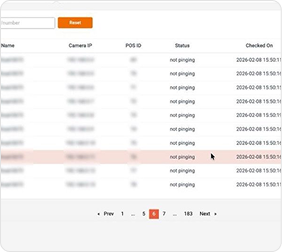
Automated Health Check
Protecting Privacy in the Age of Visual AI
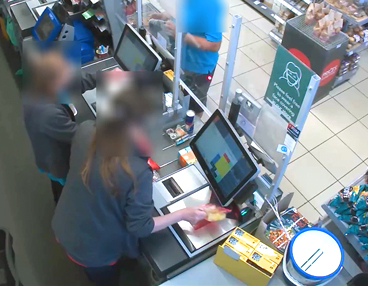
Crime Reporting
.png)
Integration and API Readiness

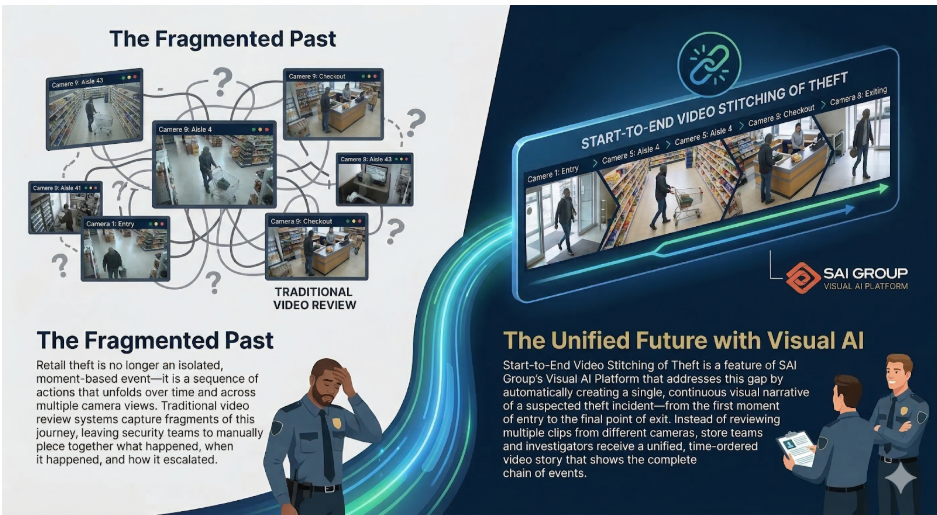
Start‑to‑End Video Stitching of Theft
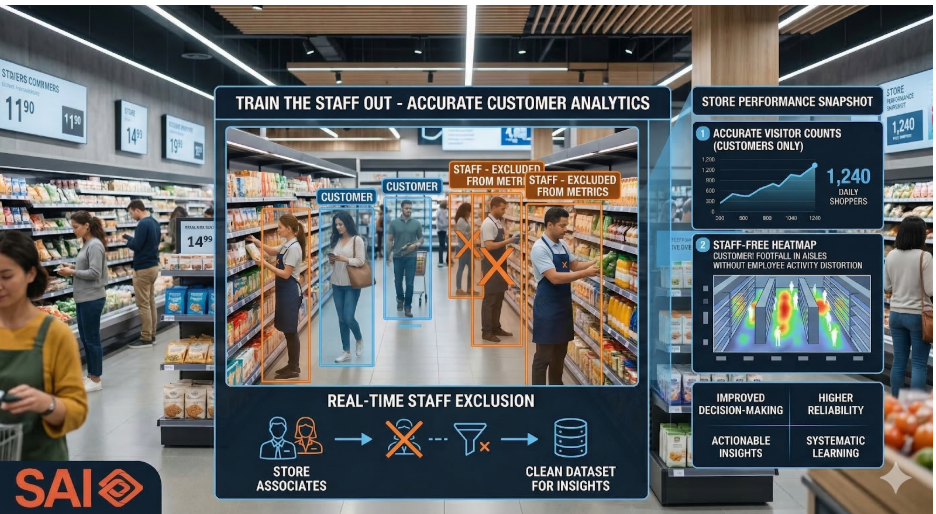
Train Out the Staff
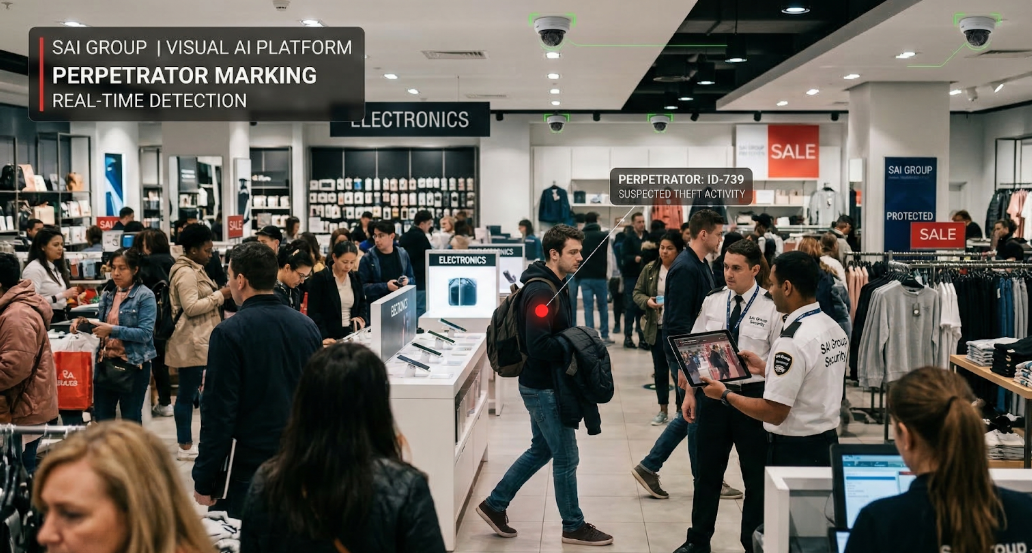
Perpetrator Marking Feature
Broadcast: Real-Time, Multi-Store Organized Retail Crime Alerts
Broadcast: Real-Time, Multi-Store Alerts
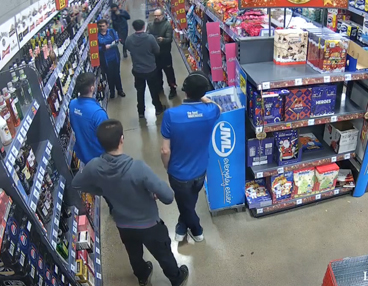
Organized Retail Crime (ORC) is a major headache for the retail sector as it involves repeat offenses which can impact multiple stores within a short timeframe. What appears to be a one-off grab-and-run incident could be part of a preplanned series of high value theft executed across an entire neighbourhood. And by the time the store security teams take notice, the damage is already done.
In such scenarios, whether a repeat crime can be stopped depends entirely on how the staff responds. And this is where things become subjective. Although operating under the same set of SOPs, it is but natural that there are variations between how different store staff interpret the incident. And even when the store staff decides to report the incident, they need to look up their known contacts and decide whom to call and provide a heads-up on the potential threat.
Why the Broadcast feature is important for retail stores
When an organized retail crime is detected, too many variables are at play:
- •Time taken to decide if an alert needs to be raised
- •Time taken to identify whom to notify
- •The connectivity or availability of the channel (phone, messenger apps) of the person to be notified
- •The availability of the person to receive the alert. As a consequence, valuable time is lost and information seldom reaches the recipient on time. This has emboldened shoplifters to target a number of stores in a neighbourhood as they feel they will not be caught.
While one cannot question the genuine intent behind the current practice of manually calling up and notifying other stores in the vicinity, it would be fair to say that this has been rather ineffective based on the steep rise in organized retail crime.
How the Broadcast feature works?
- 1Detection: AI-powered video analytics monitor live feeds for suspicious customer behavior detection. The SAI visual AI platform can identify concealment of items, loitering, or repeated theft patterns. The system uses gesture, movement analysis and counting to detect incidents of shoplifting
- 2Identification: When a shoplifter is detected, the platform tags the incident and the individual.
- 3Broadcasting:
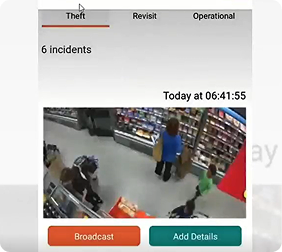
When an organized retail crime is detected, the platform raises a notification on the handheld terminals (HHT) of the store staff along with the information on the incident.
Based on a store staff’s input on the HHT, the system sends a secure, cloud-based organized retail crime alert, which includes an image of the offender, to all stores of the retail chain that are within a specific distance. Authorized store staff can configure the distance for the broadcast message. - 4Staff Notification: Store staff and security teams receive alerts on handheld terminals or dashboards, enabling them to prepare and intervene proactively.
- 5Broadcast Operations: The platform provides broadcast operations features that Security Operations Centres (SOC), regional managers and loss prevention teams can use to gain unified visibility across all locations, enabling them to track incident rates and responses.
FAQ
Broadcast is a secure, cloud-based alerting capability that notifies other stores in the chain (within a configured distance) when an ORC incident is detected. The alert is sent to store staff on handheld terminals (HHTs) and includes incident details and an image of the offender.
AI-powered video analytics monitor live camera feeds to look for suspicious customer behavior such as concealment of items, loitering, or repeated theft patterns. The platform uses gesture and movement analysis (and customer counting signals) to detect and tag the incident and the individual.
Broadcast is an effective method to share actionable intelligence across multiple stores of the retail chain and empower staff to prevent organized retail crime. By using the feature at more stores in the neighborhood, retail stores can deter habitual offenders from attempting to steal
Alerts are transmitted over secure, cloud-based communication channels, ensuring instant delivery to all relevant staff and security teams.
Staff and security teams can review the alert, prepare for intervention, and monitor the individual’s activity.