
SAI Groups · 2018–2026
Our Story
Storewide Active Intelligence
Overview
A quick
look at
what's inside
Explore the key moments, milestones, and people behind SAI from our early beginnings and first innovations to the growth and technology shaping our future.
The beginning
Wandsworth queue, Sai Baba naming, incorporation, and the founding team.
Smartcart
Solar handlebar hardware, AI product recognition, and Iceland as customer one.
First patent
USPTO 10266196 — 25 claims protecting the smart handlebar kit.
Valentine
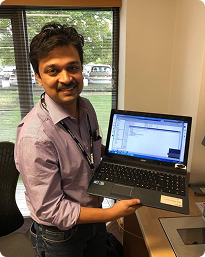
Two weeks on a $150 laptop — Store AI goes live in Ruislip.
Pivot & growth
Hardware paused, vision AI scaled across UK, Europe, and 1,000+ stores.
SAI One
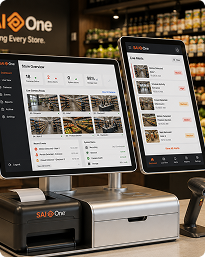
One platform for loss, safety, CX, and operations — plus USA and Ventures.
The beginning · SAI naming
The luck of the Gods —
why we are called SAI
As Som prepared to launch again, his wife Arpita told him he would need the luck of the Gods. The name SAI was chosen after Sai Baba of Shirdi — the Indian spiritual leader known for protection, guidance, and health.
The name was later expanded to Storewide Active Intelligence, reflecting what the company builds. We still hope Sai Baba is watching over us.
Protection
One of the qualities Sai Baba of Shirdi is known for.
Guidance
Spiritual direction for those who seek it.
Health
Care and wellbeing for body and mind.
 →
→Storewide Active Intelligence — the acronym that describes what we deliver across every store.
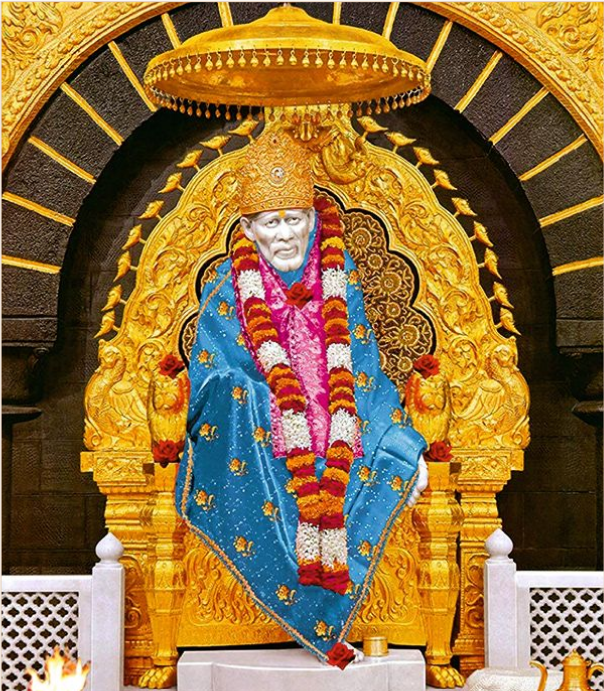
“Why are you so troubled? Leave all your burden to Me. Let Me take care of your worries. Surrender to Me completely so that I can take care of you.”
— Sai Baba of Shirdi
The beginning · An idea
From a Wandsworth
checkout queue
to Storewide
Active Intelligence.
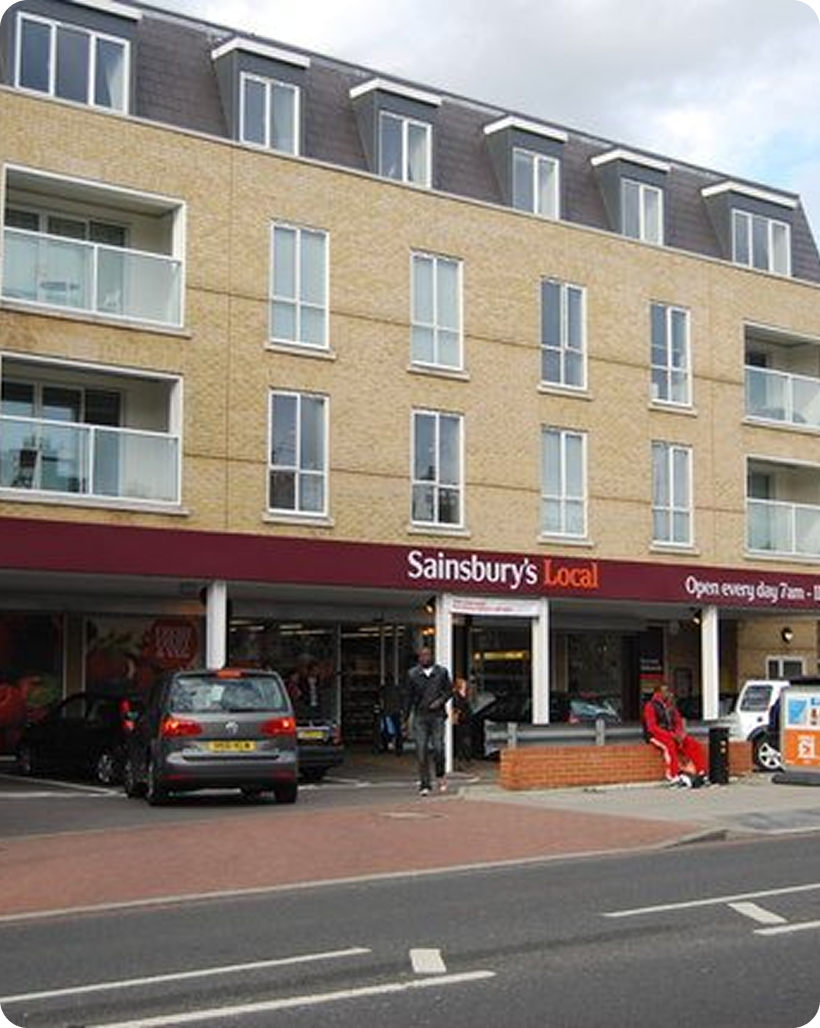
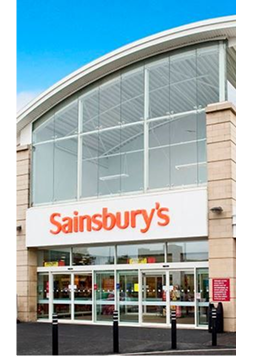
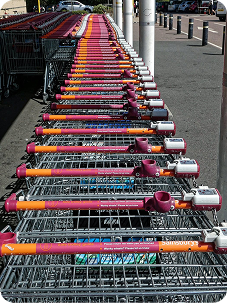
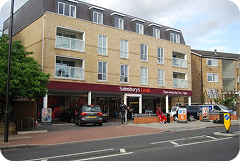
Som stood in a queue in Sainsbury's Wandsworth store and decided there had to be a better way to check out of a supermarket. He dreamed up the concept of the smart cart.
It was time to try the startup world for a second time — a second chance to build something that could change how people shop.
The beginning · SAI formed
Incorporated 13 July
2018. Trading from
1 December 2019
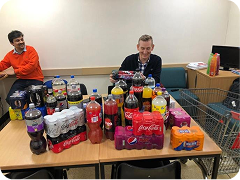
SAI Group Limited was formed in England and Wales, then the founding team came together around AI, hardware, and decades of self-checkout experience.
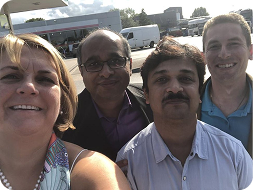
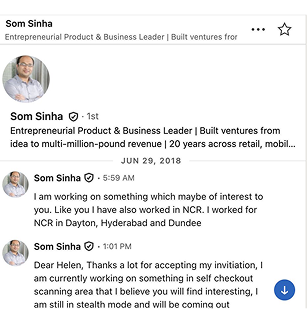
Som connected with Abhijit on the AI platform and George, based in Greece, on the hardware of the trolley handlebar. He first contacted Helen on 29 June 2018 — drawing on her experience bringing self-scanning and self-checkout to the UK market in the late 1990s and early 2000s.

The First Patent · USPTO
SAI protected by
approved patent
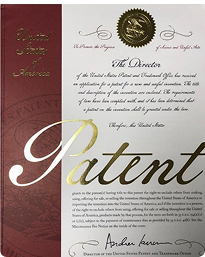
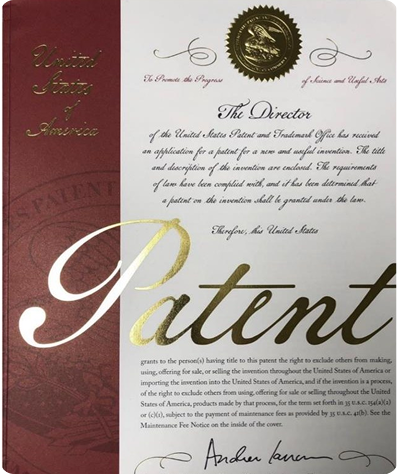
On 23 April 2019, the USPTO granted patent 10266196 — 25 claims in total (4 independent, 21 dependent). A PCT filing followed on 16 July 2019 (PCT/GB2019/051991) for global protection.
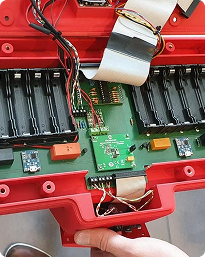
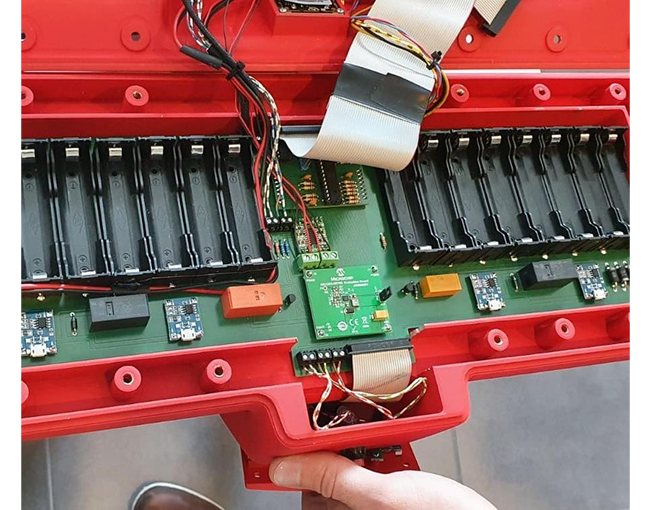
The patent covers a solar-powered smart handlebar kit for existing supermarket trolleys, including optical scanners, weight-sensing wheels, shelf-monitoring sensors, and upgrade kits that fit carts already in the fleet.
01
Smart handlebar
Cameras, photovoltaics, and onboard processing for product classification.
02
Weight-sensing wheels
Wheel assemblies that weigh items as they enter the cart.
03
Shelf-monitoring sensors
Wheel-based optics for shelf stock and additional item scanning.
04
Upgrade kits
Built-in systems and retrofit kits for existing trolley fleets.
By the numbers · from the SAI Story
SAI Group Limited incorporated on 13 July — trading began 1 December 2019.
products used to train Smartcart AI in an Iceland Hyde darkstore.
stores on the SAI platform with customer number two after ORIS 2020.
Chapters
How the story unfolded.
From incorporation and the first patent to Valentine, the SaaS pivot, SAI USA, and the launch of SAI One.
SAI is formed
Incorporated as SAI Group Limited. The smart cart idea moves from queue to company.
First USPTO patent
Patent 10266196 granted — solar-powered smart handlebar kit for existing supermarket trolleys.
Iceland Operating Board
First in-person team meet in a Starbucks car park near Deeside — then the Smartcart into Iceland.
Valentine goes live
First in-store Store AI test in Ruislip / Rayners Lane after two weeks on a $150 laptop.
The pivot to SaaS
Covid made new customer hardware unrealistic. SAI Valentine’s traction made vision AI the path.
SAI USA
Patrick O’Leary leads North America as SAI begins working directly with US retailers.
Launch of SAI One
RTS UK debut of one platform that understands the store — loss, safety, CX, and operations.
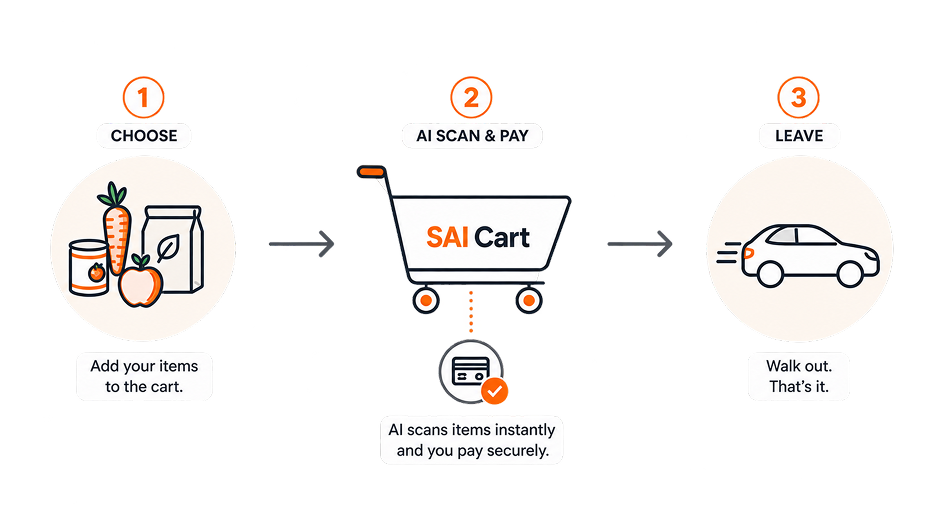
The idea
Choose. Pay. Leave.
A patent granted, self-powered kit that converts any shopping cart into autonomous checkout in minutes
To cart uses AI machine vision to check in items & photovoltaics to self power. To check in items just place them in the cart and to remove just take them out.
The Smartcart – Hardware
A solar handlebar that turned any trolley into autonomous checkout.

Whatever we built had to work with existing cameras, be commercially viable at scale, and be accurate enough not to overwhelm store teams.
Valentine is born
From a $150
laptop to the first
live Store AI test
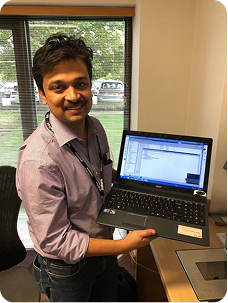
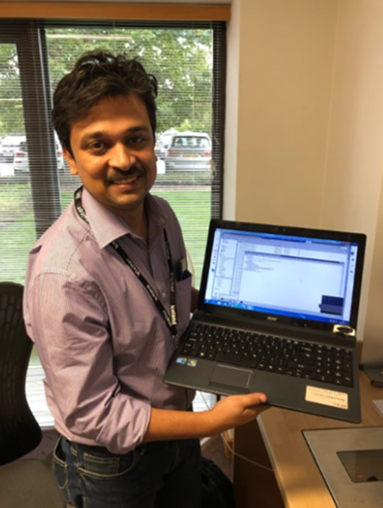
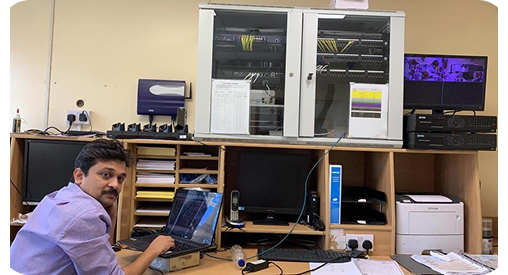
Abhijit checked into an Airbnb close to the Iceland head office and started developing what would become our first in-store AI product.
Working from the Iceland test lab, and using a $150 laptop, he built the first version in just two weeks. The product was codenamed Valentine, initially focused on sweethearting at the checkout.
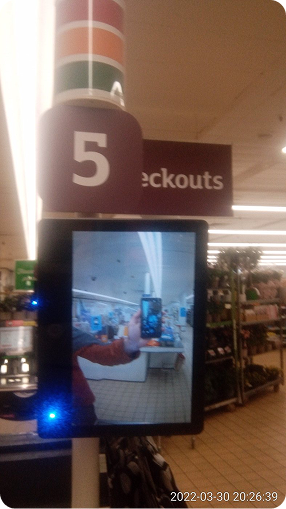
Lab testing started in September 2019, followed by the first live store test in Ruislip/Rayners Lane, London, in November 2019.
That was the point Store AI really began.
Customer no. 2 · The email
Sometimes The
Best Relationships
Start By Accident
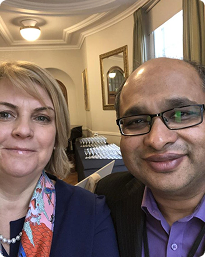
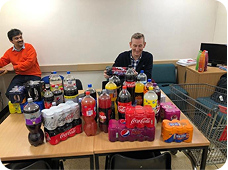
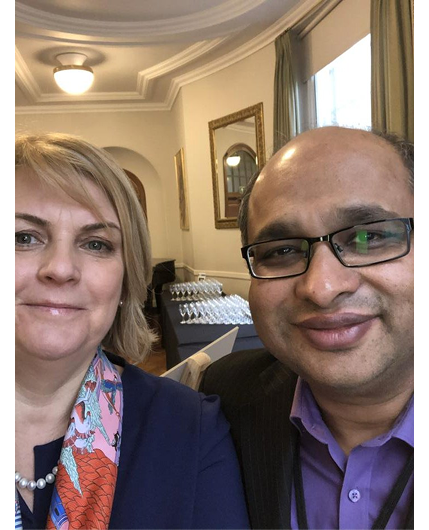
In February 2020, just before the COVID shutdowns, Helen and Som attended an ORIS retailer event in London that used a "speed dating" format. Retailers and suppliers rotated through a series of rapid-fire meetings every few minutes, creating a hectic blur of conversations, introductions, and hastily scribbled notes.
After the event, Helen followed up with everyone she thought she had met. One Product Manager from a Tier 1 retailer replied almost immediately: "You didn't meet me, I wasn't there."
AIt was a slightly embarrassing mistake, but it sparked a conversation.
That retailer went on to become customer number two, rolling out the sai platform to all its 1000+ stores, proving that sometimes the best relationships start by accident.
The pivot · Growth
Hardware paused
Vision AI scaled
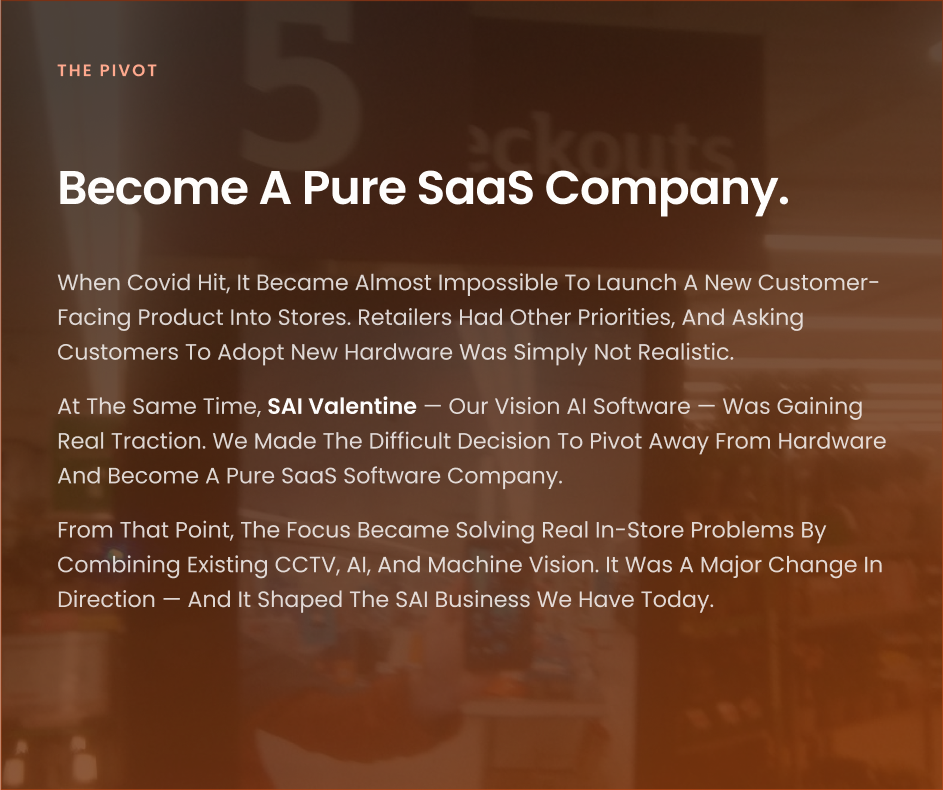
Two chapters from the SAI Story: the difficult decision to leave hardware behind, and the growth that followed across markets and use cases.
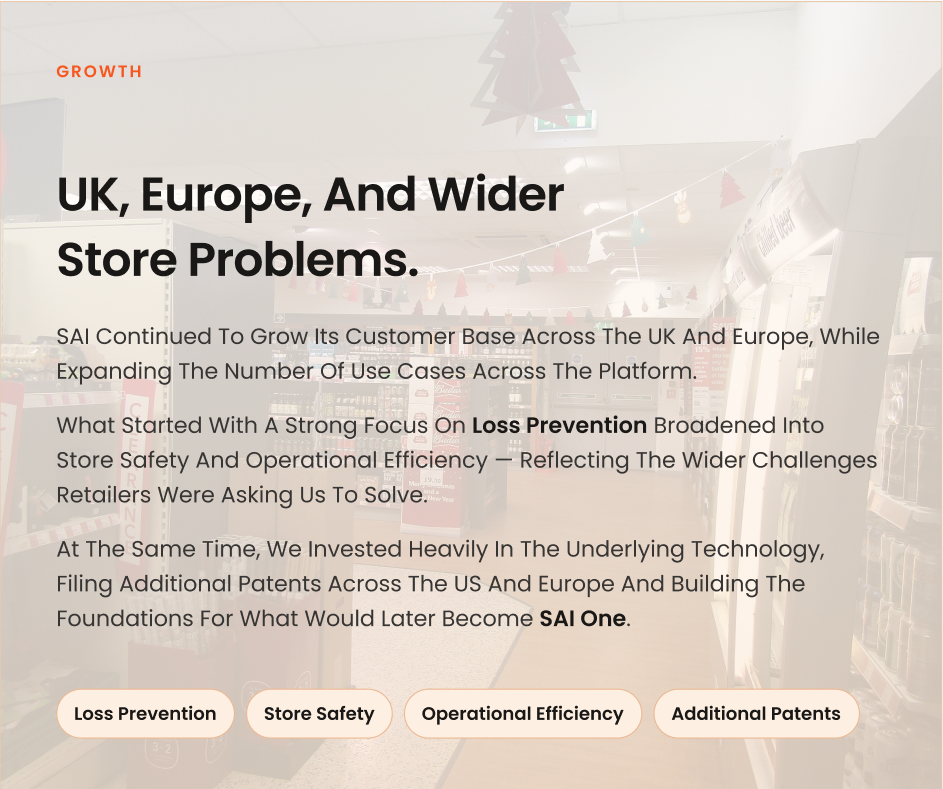
May 2026 · RTS UK
One platform that
Understands The Store
Retailers did not need more separate AI tools. SAI One combines computer vision with vision-language models so context — not just isolated events — drives loss, safety, customer experience, and operations.
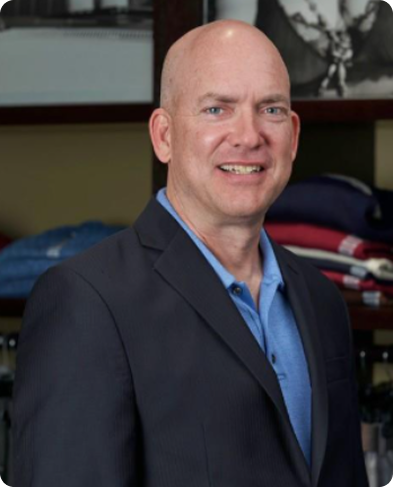
Patrick O’Leary
As SAI continued to grow, we established SAI USA to build our presence in the North American market. Patrick O’Leary joined to head the division, bringing strong retail experience and relationships across the US. This gave us a dedicated team on the ground and marked the start of SAI working directly with US retailers, building new partnerships and expanding the platform into the North American market.
Patrick O’Leary
Heads SAI USA from July 2025, building North American retail partnerships.
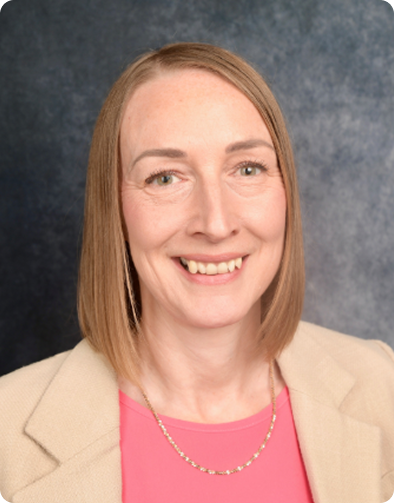
Clare Hoole
We Launched SAI One at RTS UK in May 2026 When we started SAI, the focus was simple: solve real problems in stores. As we built more computer vision use cases, one thing became clear. Retailers did not need more separate AI solutions. They needed technology that could understand the store as a whole. That became SAI One.
By combining computer vision with vision language models, SAI One can understand context, not just individual events, and support multiple use cases across loss, safety, customer experience and store operations from one platform. For us, that was the shift, from building individual solutions to building one platform that understands stores. May was also an exciting Month in 2026 as Clare Hoole joined us to dead up and drive growth in the UK.
Clare Hoole
Joined May 2026 to head up and drive growth in the UK.
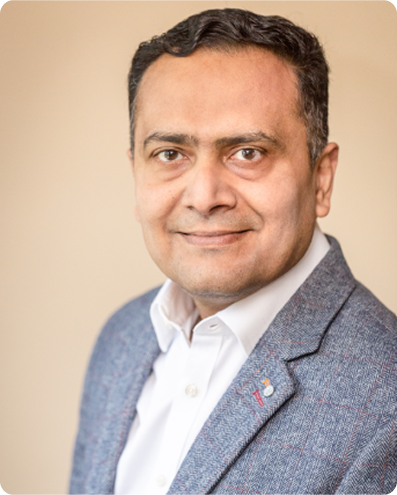
Indranil Sen
Diversifying Beyond Retail The power and flexibility of SAI One gives us the opportunity to take the platform beyond retail. We are now exploring new use cases across Banking, Telco and other verticals where the same combination of computer vision, vision language models and real-time intelligence can solve operational challenges.
To lead this next stage, SAI has established a new Ventures Division, headed by Indranil Sen, focused on identifying new markets, developing use cases and building the next generation of SAI One applications.
Indranil Sen
Leads the Ventures Division taking SAI One beyond retail into banking, telco, and more.
Where we are now
Three chapters that
define SAI today
Store AI
Vision AI on existing CCTV — commercially viable, accurate enough for store teams, born from Iceland’s three requirements.
SAI One
One platform for loss, safety, customer experience, and operations — context across the whole store, not isolated alerts.
Ventures
The same combination of computer vision, vision-language models, and real-time intelligence — now exploring banking, telco, and beyond.

Next chapter
Build the next chapter with us.
From a smart cart in Wandsworth to SAI One — still solving real problems in stores.